January 2026

Identifying When to Call an HVAC Company Orlando, FL for Urgent AC Repairs

An Asian young Technician service man wearing blue uniform checking , cleaning air conditioner in home An Asian young Technician service man wearing blue uniform checking , cleaning air conditioner in home air conditioning repair stock pictures, royalty-free photos & images

An air conditioning system plays a crucial role in maintaining a comfortable indoor environment, especially during warmer months. However, like any mechanical system, it can encounter problems over time. Being able to recognize the early warning signs of trouble can help prevent costly repairs and ensure your AC operates efficiently. Below are some key indicators that your air conditioner might require immediate professional attention.

1. Insufficient Cooling Performance

  • Low refrigerant levels
  • A clogged air filter
  • Compressor issues or malfunction
  • Dirty condenser or evaporator coils

2. Spike in Energy Bills

A sudden and unexplained rise in energy costs may point to an inefficient air conditioning system. Common culprits include:
– Worn-out components damaging overall performance
– Poor maintenance leading to overworked systems
– Leaks or blockages causing higher energy usage

To address this, schedule a professional inspection and cleaning of the unit.

3. Strange Noises During Operation

Noise Type Potential Cause Suggested Solution
Banging Loose or broken part Inspect for loose components
Squealing Belt misalignment or motor wear Replace worn belts; lubricate moving parts
Hissing Refrigerant leak Repair leak and recharge refrigerant
Rattling Loose fan blades or debris Clean out debris; secure loose parts

Ignoring these noises may result in further damage to internal components.

4. Weak Airflow from Vents

  • Blocked ductwork hindering proper circulation
  • Dirty filters limiting airflow efficiency
  • Failing blower motors reducing vent output

Addressing weak airflow promptly ensures better cooling performance while preventing strain on the unit.

5. Unusual Odors Emanating from the System

Foul smells coming from your AC could indicate mold growth within the ducts or burnt electrical wiring within the system’s components. Both scenarios require immediate inspection by a licensed HVAC technician to eliminate potential health risks and ensure safety.

Preventative Measures to Avoid Emergency Repairs

  • Schedule routine maintenance checks twice a year (spring and fall)
  • Regularly replace air filters (every 1–3 months depending on usage)
  • Keep outdoor condenser units free of debris like leaves and dirt
  • Monitor humidity levels indoors for optimal comfort

By recognizing these warning signs early on and taking proactive steps, you can extend your HVAC system’s lifespan while ensuring it runs at peak performance during critical times when cooling is most needed.

Tips for Addressing Reduced Airflow with Expert Orlando AC Service

Reduced or weak airflow in an air conditioning system can disrupt comfort and impact energy efficiency. Addressing this issue promptly ensures your system operates effectively, preventing further complications. Below, we explore common causes of weak airflow and effective solutions.

Top Reasons for Reduced Airflow in Orlando AC Repair Services

  1. Dust, dirt, and debris can accumulate on air filters over time, restricting airflow and reducing system efficiency.
  2. Blockages caused by debris or collapsed duct sections can hinder the smooth circulation of air.
  3. Malfunctioning blower motors or worn-out components may result in insufficient air distribution throughout your space.
  4. Cracks or leaks in duct systems cause significant air loss, reducing overall performance.
  5. Dusty coils restrict heat exchange, which can negatively affect airflow output.
  6. An air conditioner that is too small for the space will struggle to adequately circulate air.

Expert Orlando FL Air Conditioning Repair for Better Airflow

  • Regular Maintenance:
    Scheduling routine maintenance ensures filters are clean, components are functioning optimally, and any potential issues are addressed proactively.
  • Replace Air Filters:
    Check filters every 1-3 months depending on usage and replace them as needed to avoid blockages.
  • Inspect and Clean Ductwork:
    Professional duct cleaning services can remove debris buildup while sealing leaks restores efficiency.
  • Check Blower Components:
    Have an HVAC technician inspect the blower motor to ensure it operates correctly without wear-related problems.
  • Clean Evaporator Coils:
    Periodic cleaning of evaporator coils improves heat transfer efficiency while promoting better airflow quality.
  • Upgrade Your System If Necessary:
    If the current unit cannot handle your space’s cooling demands effectively, consider upgrading to a properly sized AC unit.
Cause Solution
Clogged Air Filters Replace filters regularly
Obstructed Ductwork Schedule professional duct cleaning
Blower Motor Problems Inspect components; replace faulty parts
Leaky Ducts Seal cracks or gaps in ductwork
Dirty Evaporator Coils Perform routine coil cleaning

Preventive Tips for Sustained Airflow

  • Keep vents unobstructed by furniture or curtains to allow unimpeded circulation.
  • Invest in a programmable thermostat to control indoor temperatures efficiently.
  • Monitor humidity levels with dehumidifiers if necessary during humid seasons.

Addressing reduced airflow promptly not only improves comfort but also enhances energy efficiency while prolonging the lifespan of your equipment. Proper care ensures that your AC runs smoothly year-round without unnecessary interruptions.

Addressing Unusual Noises or Vibrations in Your Air Conditioning Equipment

Unusual noises or vibrations from your air conditioning system are often early indicators of underlying issues that require immediate attention. Ignoring these signs could lead to more significant problems, reduced efficiency, and costly repairs. Below, we explore the common causes of these issues and how they can be addressed.

Common Causes of Noises in AC Systems

  1. Description: Over time, your AC unit’s internal components may loosen due to wear and tear. Screws, bolts, or panels might rattle when the system operates.
  2. Solution: Tighten any loose screws or fasteners after turning off the power supply. If a component seems damaged, consider replacing it promptly.
  3. Description: Bent or misaligned fan blades can produce a scraping sound as they make contact with other parts of the unit.
  4. Solution: Inspect the fan blades for damage and realign them carefully if necessary. If bent beyond repair, replacing the blade is recommended.
  5. Description: Blocked filters cause strain on various components, which can result in humming or buzzing noises during operation.
  6. Solution: Regularly clean or replace filters according to manufacturer recommendations (typically every 1-3 months).
  7. Description: A hissing noise might indicate a refrigerant leak, while gurgling sounds could mean air bubbles have formed inside the refrigerant line.
  8. Solution: Contact an HVAC professional to inspect the system and handle refrigerant-related problems safely.
  9. Description: A banging noise may suggest a failing compressor motor; this is typically one of the costlier issues to resolve if neglected.
  10. Solution: Seek professional advice immediately for diagnosis and potential replacement of the compressor unit.

Common Causes of Vibrations in AC Systems

  • An AC unit placed on uneven ground may vibrate excessively during operation.
  • Ensure that outdoor units are installed on flat and stable surfaces.
  • Bearings within motors degrade over time, causing unusual vibrations.
  • Replace worn-out bearings promptly to prevent further damage.
  • Leaves or other foreign objects trapped inside outdoor units can create irregular movement.
  • Periodically inspect and clear debris from outdoor systems.

Preventative Measures

Preventative Measure Frequency Benefits
Regular System Inspections Biannual Identifies issues early before escalation
Tightening Loose Components Quarterly Reduces wear on critical parts
Cleaning Fan Blades Quarterly Improves airflow efficiency
Professional Maintenance Services Annually Ensures optimal functioning

When to Call a Professional

  • Persistent noises despite DIY fixes
  • Refrigerant leaks requiring specialized handling
  • Complex motor or compressor problems

By addressing unusual noises or vibrations promptly, you not only extend the lifespan of your air conditioning equipment but also ensure its continued efficiency throughout its operational life cycle.

How Inconsistent Temperatures or Humidity Issues Impact Your Air Conditioning Performance

Maintaining a consistent and comfortable indoor environment heavily depends on the performance of your air conditioning system. However, issues such as inconsistent temperatures or humidity levels can disrupt this balance, leading to discomfort and potential harm to your AC system’s efficiency. Understanding how these irregularities affect performance and identifying their root causes can help you take proactive measures.

Effects of Inconsistent Temperatures on AC Performance

  • Uneven Cooling: Certain areas of the home may feel too cold while others remain warm, often due to poor airflow, faulty thermostats, or incorrectly sized systems.
  • Increased Energy Bills: Fluctuations in temperature may cause your AC unit to overwork itself in an attempt to compensate for inefficiencies, driving up energy costs.
  • Wear and Tear on Components: Frequent cycling (turning on and off) due to inconsistent cooling demands can place unnecessary strain on critical components like the compressor or fan motor.
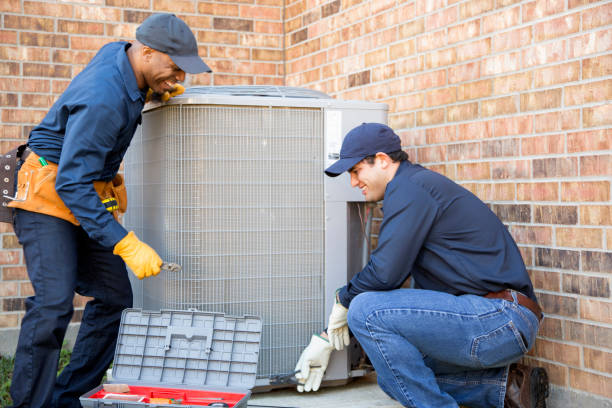
Multi-ethnic team of blue collar air conditioner repairmen at work. Multi-ethnic team of blue collar air conditioner repairmen at work. They prepare to begin work by gathering appropriate tools from their tool box. air conditioning repair stock pictures, royalty-free photos & images

Causes of Temperature Irregularities

  • Blocked Vents or Filters: Obstructed air filters or vents reduce airflow, preventing even distribution of conditioned air throughout your home.
  • Improper Thermostat Placement: A thermostat placed near heat sources (e.g., direct sunlight) can result in inaccurate temperature readings, causing uneven cooling cycles.
  • Aging System Components: Older systems with worn-out parts often struggle to maintain a stable temperature over time.

How Humidity Affects Air Conditioning Performance

  • Poor Comfort Levels: High humidity makes indoor spaces feel warmer than they actually are, reducing overall comfort even when the thermostat is set correctly.
  • Increased Mold Growth Risk: Excess moisture caused by poor dehumidification capabilities fosters mold growth within ducts and other parts of the system.
  • Overworking of AC Components: A system operating in high-humidity conditions needs to work longer to remove moisture from the air, leading to higher energy consumption.
Issues Related to Humidity Potential Causes Remedies
High Indoor Humidity Undersized AC unit Consider upgrading to a properly sized unit
Low Dehumidification Dirty evaporator coils Schedule regular maintenance
Persistent Moisture Faulty humidistat or sensors Inspect and replace faulty components

Solutions for Stabilizing Temperature & Humidity Issues

  1. Replace Air Filters Regularly – Clean filters promote better airflow and consistent cooling performance.
  2. Install a Programmable Thermostat – Smart thermostats ensure precise temperature control throughout different times of day.
  3. Seal Duct Leaks – Leaks in ductwork contribute significantly to uneven cooling; sealing them improves uniform airflow.
  4. Inspect System Capacity – Ensure your air conditioning unit is appropriately sized for your home’s square footage.
  5. Schedule Professional Maintenance – Regular inspections identify inefficiencies early before they escalate into larger problems.

Addressing these factors promptly ensures not only improved comfort but also extends the lifespan of your air conditioning system while keeping energy costs manageable over time.

Identifying and Resolving Peculiar Odors or Poor Indoor Air Quality in AC Systems

Maintaining proper indoor air quality is essential for both comfort and health. When your air conditioning system begins to emit unusual odors or fails to maintain clean, breathable air, it is often an indication of underlying issues that need immediate attention. Below, we’ll explore common causes of peculiar smells and poor air quality in AC systems and how these problems can be addressed effectively.

Common Causes of Peculiar Odors in AC Systems

  1. Excess moisture within the system can lead to mold or mildew growth in components such as the evaporator coils, ductwork, or drain pan.
  2. This often results in a musty odor being distributed throughout your home.
  3. Dirty filters trap dust, pet dander, and other debris that can accumulate over time.
  4. A clogged filter can cause stale or dusty smells in circulated air.
  5. Electrical issues such as overheating wires or burnt-out components may emit a burning smell.
  6. This requires immediate inspection by a professional technician to avoid further damage.
  7. Small animals may find their way into ductwork or other parts of your HVAC system.
  8. Decomposing pests can produce foul odors that permeate your living space.
  9. Certain refrigerants may create a chemical odor when leaking.
  10. Such leaks not only affect performance but also pose potential health risks.

How Poor Indoor Air Quality Manifests

  • Increased allergy symptoms such as sneezing, coughing, or itchy eyes.
  • A persistent feeling of stuffiness despite running the AC.
  • A noticeable accumulation of dust around vents and surfaces.

Steps to Resolve Odors and Improve Air Quality

  1. Replace Air Filters Regularly
    Replace standard filters every 1-3 months based on usage. For homes with pets or individuals with allergies, consider using HEPA filters for improved filtration performance.
  2. Schedule Routine Maintenance
    Arrange annual professional inspections to clean key components like the evaporator coil, condenser coil, and ductwork. This prevents mold buildup and ensures optimal functioning.
  3. Clean Ductwork Periodically
    If unpleasant odors persist despite routine maintenance, consider scheduling a duct cleaning service to remove accumulated debris and contaminants from your ventilation system.
  4. Inspect Drainage System
    Ensure the condensate drain line isn’t clogged to prevent water accumulation that encourages mold growth.
  5. Use Air Purifiers and Dehumidifiers
    Supplement your cooling system with portable air purifiers equipped with activated carbon filters to absorb odors while removing harmful particles from the air.
  6. Address Refrigerant Issues Promptly
    Have refrigerant levels checked regularly by certified technicians if you suspect chemical-like smells originating from leaks.

Table: Common Odors & Their Likely Causes

Odor Type Possible Cause Suggested Remedy
Musty Smell Mold/mildew growth Clean coils; unclog drain lines
Burning Smell Overheating electrical parts Inspect wiring; replace faulty components
Chemical Smell Refrigerant leak Consult HVAC technician immediately
Decaying Smell Dead pest in ductwork Remove pest; clean affected areas

Proper care of your air conditioning unit not only ensures comfort but also promotes better overall health for household members through clean and fresh indoor airflow. Regular inspection coupled with prompt action at the first sign of unusual odors can prevent more serious issues down the line while maintaining high-quality living standards within your home environment.


How to Choose the Best Orlando AC Service for Repairs or Replacement

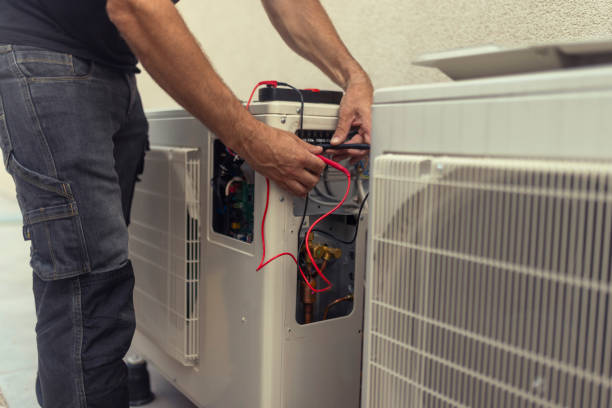
An unrecognizable electrician installs a heat pump in the courtyard of a residential building Close-up on the hands of the electrician installing the heat pump, connecting the wires air conditioning repair stock pictures, royalty-free photos & images

Air conditioning systems are essential for maintaining comfort in your home or office, especially during warmer months. However, like any piece of equipment, AC units can develop issues over time. Knowing when your system needs repair or replacement is critical to avoiding costly breakdowns and ensuring consistent performance. Here’s a guide to help you evaluate the condition of your air conditioning system.

How to Identify When You Need Orlando AC Repair

  • Unusual Noises: Grinding, screeching, or banging sounds often indicate internal components like motors or fans are damaged.
  • Weak Airflow: Reduced airflow from vents suggests blockages in ducts or failing fans.
  • Warm Air instead of Cool: If the system blows warm air while set to cool mode, this can point to refrigerant leaks or compressor issues.
  • Frequent Cycling: An AC that turns on and off more often than usual might have an electrical problem or improper thermostat settings.
  • High Energy Bills: A sudden increase in utility costs could mean your AC is working harder than necessary due to inefficiency.

When Orlando FL Air Conditioning Repair Isn’t Enough: Signs You Need a Replacement

  1. Most air conditioners last around 10–15 years with proper maintenance. If your unit is approaching or exceeding this age range and frequently failing, consider upgrading to a modern system with improved efficiency.
  2. If repairs have become frequent and expensive, replacing the AC entirely may save money in the long run by eliminating recurring issues.
  3. Older units lack energy-efficient features found in newer models, such as variable speed compressors and smart thermostats designed for better energy management.
  4. Use this rule of thumb: if the cost of repairs exceeds 50% of what it would cost to purchase a new system, replacement is usually the smarter choice.

Repair vs Replacement: A Quick Comparison Table

Factor Repair Replacement
Cost Lower upfront expense Higher initial investment
Longevity Temporary fix Long-term solution
Energy Efficiency Limited improvement Significant efficiency gains
Frequency of Issues May reoccur Eliminates recurring problems

Benefits of Addressing AC Issues Promptly

  • Enhanced indoor comfort without unexpected disruptions.
  • Lower energy bills due to improved efficiency.
  • Reduced environmental impact by upgrading to eco-friendly models.
  • Peace of mind knowing your cooling needs are met reliably.

If you’re unsure whether your air conditioning system needs repair or replacement, consult with a trusted HVAC professional for an accurate assessment tailored to your specific situation. Regular inspections can also help you stay ahead of potential problems before they escalate into costly emergencies—ensuring optimal performance year-round.

Top Signs Your Air Conditioning Unit Requires an Immediate Repair Service

Air conditioning systems play a vital role in maintaining comfort, especially during warmer months. However, like any mechanical system, AC units can develop issues over time. Identifying the signs of trouble early can save you from costly repairs or complete system failure. Below are the top signs that your air conditioning unit may require immediate repair service.

1. Weak or Insufficient Airflow

One of the most obvious indicators of a problem is poor airflow coming from the vents. If your AC unit is running but struggling to circulate air effectively, it could signal: – Clogged air filters – Blocked ductwork – A failing blower motor

Inspect and replace the air filter if it’s dirty, but if this doesn’t resolve the issue, professional assistance may be needed to assess deeper problems in the system.

2. Unusual Noises or Vibrations

While AC systems are designed to operate quietly, unusual sounds such as grinding, screeching, rattling, or hissing could indicate internal damage or wear and tear. Common causes for these noises include: – Loose components – Issues with the fan motor – Refrigerant leaks (often producing a hissing sound)

It’s critical to address these unusual noises promptly before they lead to more extensive damage.

3. Warm Air Instead of Cool Air

If your AC unit blows warm air instead of cooling your home, this could point to several issues: – Low refrigerant levels due to leaks
– Compressor failure
– Problems with the thermostat

An expert technician can diagnose whether it’s a minor fix like recharging refrigerant or a more serious mechanical failure requiring repair.

4. Frequent Cycling On and Off

Short cycling occurs when an air conditioner turns on and off frequently without completing its cooling cycle effectively. This issue not only disrupts indoor comfort but also increases energy consumption and wear on system components. Causes for short cycling might include: – A malfunctioning thermostat
– Electrical issues
– An oversized or undersized AC unit

A professional inspection will help pinpoint and address this issue efficiently.

5. High Humidity Levels Indoors

Your air conditioner should regulate indoor humidity levels as part of its normal operation. If you notice excessive humidity despite running your AC, it could mean: – The system isn’t functioning at peak efficiency
– There’s an issue with evaporator coils or drainage mechanisms

Persistent humidity problems can lead to mold growth in your home if left unresolved.

6. Strange Odors Coming from Vents

Unpleasant odors emanating from your vents may indicate microbial growth (such as mold) inside ducts or even burnt wiring within the unit itself. Here’s what different smells often mean:
| Odor | Possible Cause |
|——————-|———————————–|
| Musty Smell | Mold/mildew in ducts |
| Burning Smell | Electrical or wiring issues |

Prompt attention is needed to prevent further complications such as health risks or safety concerns.

7. Rising Energy Bills

Have you noticed an unexplained spike in electricity bills? An inefficient AC system often works harder than necessary to cool your space, consuming more energy in the process. Potential culprits include: – Dirty filters obstructing airflow
– Worn-out parts reducing efficiency
– Refrigerant leaks causing poor performance

Scheduling a maintenance check-up can help restore efficiency and lower operational costs.

When Do You Need Professional Repair Services?

While some basic maintenance tasks like changing filters can be handled by homeowners, many AC issues require specialized knowledge and tools for proper diagnosis and repair. If you’re experiencing one or more of these warning signs without resolution after basic troubleshooting efforts, reach out to a licensed HVAC professional immediately.

Proactively addressing these common symptoms not only extends the lifespan of your cooling system but also ensures consistent performance during critical times when reliable cooling is essential for comfort at home or workspaces.

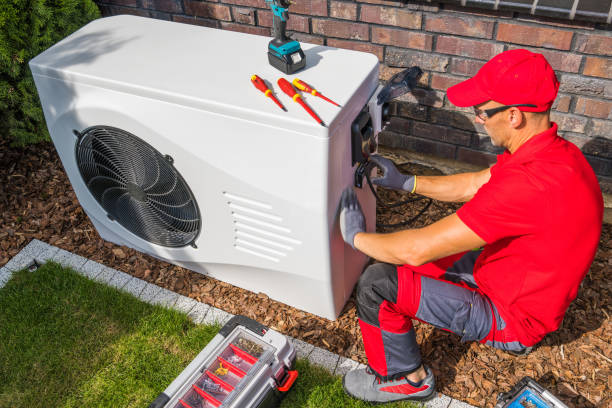
Technician Repairing Heat Pump Unit Professional Middle Aged HVAC Technician in Red Uniform Repairing Modern Heat Pump Unit. House Heating and Cooling System Theme. air conditioning repair stock pictures, royalty-free photos & images

Top Signs Your Air Conditioning Unit Requires an Immediate Repair Service

An air conditioning system is vital for maintaining comfort, especially during warmer months. However, like any appliance, it can experience wear and tear over time. Recognizing the signs that your AC unit needs immediate repair is essential to avoiding costly future issues and ensuring consistent performance.

1. Weak or Inconsistent Airflow

  • Poor air circulation: If certain rooms feel cooler while others remain warm, your system may be struggling to distribute air effectively.
  • Blocked ducts or vents: A clogged or damaged duct system could be the culprit behind poor airflow.
  • Failing blower motor: The blower motor may need repairs if it’s not pushing air through the vents properly.

Prompt attention to airflow problems can prevent additional strain on your unit.

2. Unusual Noises Coming from the System

  • Grinding or squealing sounds: These could signal a problem with internal components like belts or motors.
  • Buzzing noises: An electrical issue within the system could be causing buzzing sounds.
  • Banging noises: These might point to loose or broken parts within the compressor or fan assembly.

Ignoring these sounds can lead to more extensive damage over time.

3. Rising Energy Bills

Issue Possible Cause Suggested Solution
Longer cooling cycles Dirty filters Replace filters regularly
Poor energy efficiency Aging unit Consider professional servicing
Overworked components Failing parts Schedule immediate inspection

Addressing these problems early ensures energy efficiency and cost savings.

4. Frequent Cycling On and Off

  • Thermostat calibration issues
  • Refrigerant leaks
  • Oversized or undersized units

Short cycling not only reduces cooling efficiency but also places unnecessary stress on the compressor.

5. Moisture Buildup Around the Unit

  • A clogged condensate drain leading to water leaks
  • Refrigerant leaks causing ice buildup on coils

Both scenarios require immediate inspection, as refrigerant issues can pose health risks, while water damage can harm surrounding areas.

6. Foul Odors from Vents

  1. Inspect filters and replace them if dirty.
  2. Check for visible mold near ductwork and schedule professional cleaning.
  3. Consult an HVAC technician for electrical inspections if burning odors persist.

Why Prompt Repairs Are Crucial

  • Complete system breakdowns requiring replacement
  • Escalated repair costs due to additional damaged components
  • Reduced indoor comfort during extreme weather conditions

Scheduling regular maintenance and promptly addressing repair needs will ensure reliable performance while extending your AC’s lifespan.

Comprehensive Guide to Identifying AC Issues with an HVAC Company Orlando, FL

Proper maintenance and timely identification of air conditioning issues are essential in avoiding costly breakdowns and ensuring consistent indoor comfort. If undetected, minor AC problems can transform into significant malfunctions that require expensive repairs or even a full system replacement. This guide outlines key steps to identify potential issues early, helping you maintain the health of your air conditioning system.

Common Signs of AC Problems

  • Reduced Cooling Efficiency: If your indoor space isn’t as cool as it used to be despite running the AC consistently, it could indicate issues with refrigerant levels, dirty coils, or a failing compressor.
  • Unusual Noises: Grinding, rattling, or squeaking sounds could point to loose components, worn-out belts, or motor problems within the system.
  • Higher Energy Bills: A sudden increase in electricity bills without any change in usage patterns suggests your unit is working harder than necessary due to inefficiency.
  • Uneven Cooling: Hot and cold spots throughout your home may result from poor airflow caused by clogged filters, ductwork obstructions, or failing fans.
  • Frequent Cycling: When an AC turns on and off too often (short cycling), it may signal thermostat issues or an improperly sized unit for your space.

Steps to Identify Potential Issues

  1. Inspect Air Filters Regularly
    Dirty air filters obstruct airflow, leading to reduced cooling performance and possible system strain. Check filters monthly during heavy use seasons and replace them if they appear clogged.
  2. Monitor Thermostat Settings
    Ensure the thermostat is set correctly and functioning accurately. A malfunctioning thermostat could cause inconsistent cooling or frequent cycling.
  3. Examine Vents and Ducts
    Check for signs of blockages in vents or ductwork that may restrict airflow. Dust buildup or debris might contribute to uneven cooling throughout your home.
  4. Look Out for Refrigerant Leaks
    Low refrigerant levels can compromise cooling capacity. Signs include ice buildup on coils or a noticeable decline in overall cooling performance.
  5. Test System Responsiveness
    Run the unit occasionally in mild weather to detect early signs of trouble before peak summer demand begins.

Maintenance Checklist Table

Task Frequency Purpose
Replace air filter Monthly Prevent clogs; maintain efficiency
Check refrigerant levels Annually Ensure accurate cooling performance
Inspect condenser coils Bi-annually Avoid dirt accumulation that hinders efficiency
Clean vents Quarterly Improve airflow; avoid blockages

When Professional Help Is Necessary

If regular inspections reveal persistent problems that you cannot resolve (e.g., unusual noises, refrigerant leaks), seek assistance from a licensed HVAC technician immediately. Addressing these concerns quickly with professional expertise can prevent further damage and extend the life of your system.

By staying attentive to these warning signs and conducting regular checks, you can identify potential AC issues before they worsen into costly repairs or replacements while maintaining optimum comfort throughout all seasons.

How to Ensure Reliable AC Performance with Professional Replacement Services

Ensuring your air conditioning system performs reliably is crucial for maintaining comfort, especially during extreme weather conditions. Over time, even the best-maintained systems wear out and require replacement to sustain efficiency and functionality. Professional AC replacement services can provide a long-term solution to recurring issues while improving overall performance. Here’s how professional replacement services can help ensure consistent reliability for your cooling system.

Benefits of Professional AC Replacement Services

  • Precision Installation: Certified technicians ensure the new unit is installed correctly, adhering to manufacturer specifications and industry standards.
  • Energy Efficiency: Modern AC systems are designed with advanced energy efficiency features. Professionals can recommend models that align with your needs, helping reduce energy consumption.
  • Proper Sizing: An incorrectly sized unit may lead to inefficiency or frequent breakdowns. Experts conduct load calculations to determine the right size for your home.
  • Improved Indoor Air Quality: Newer systems often include features like advanced filtration, which can enhance indoor air quality.

Key Steps in Professional AC Replacement

  1. Technicians evaluate the existing system’s condition and identify underlying issues.
  2. They assess factors like ductwork integrity, insulation quality, and airflow patterns.
  3. Based on your home size, climate, and preferences, they suggest suitable models.
  4. They also explain energy ratings (e.g., SEER ratings) to help you make an informed decision.
  5. The old system is carefully dismantled and disposed of according to environmental regulations.
  6. The new unit is installed with precision, ensuring proper wiring, duct connections, refrigerant levels, and calibration.
  7. Technicians test the system’s performance post-installation to confirm reliability.
  8. Adjustments are made if necessary for optimal cooling efficiency.

Indicators That It’s Time for Professional Replacement

  • Rising energy bills despite regular maintenance
  • Frequent repairs that exceed 50% of the cost of a new unit
  • Uneven cooling throughout your home
  • Loud or unusual noises from the system
  • Poor humidity control or declining indoor air quality
  • An aging unit (10–15+ years old)

Comparison Table: Repair vs Replacement Costs

Criteria Repair Costs Replacement Costs
Initial Expense Lower Higher
Long-Term Savings Limited Significant
Energy Efficiency Minimal Improvement Major Improvement
Lifespan Extension Short-Term Long-Term

Maximizing Reliability Post-Replacement

  • Schedule annual maintenance checks.
  • Replace filters every 1–3 months based on usage.
  • Keep vents clear of obstructions.
  • Monitor energy bills for unusual spikes as early warning signs.

By combining professional installation with proactive care practices, you can ensure long-lasting reliability from your air conditioning system.

Technician Repairing Heat Pump Unit Professional Middle Aged HVAC Technician in Red Uniform Repairing Modern Heat Pump Unit. House Heating and Cooling System Theme. air conditioning repair stock pictures, royalty-free photos & images

Recognizing When It’s Time for an AC Upgrade or Replacement Service

Knowing when to upgrade or replace your air conditioning system is crucial to maintaining a comfortable home environment and saving on energy costs. While repairs can often resolve minor issues, there are situations in which replacement becomes the more practical and cost-effective solution. Below, we outline key factors and scenarios that indicate it may be time for an AC upgrade or replacement service.

Common Signs Your AC Needs Replacement

  1. Most air conditioning systems are designed to last between 10–15 years with proper maintenance. If your unit is nearing or has surpassed this range, it may be more cost-effective to replace it rather than invest in frequent repairs.
  2. Older systems or units operating inefficiently often consume more energy, leading to higher utility costs. A new energy-efficient model can significantly reduce monthly expenses over time.
  3. If you find yourself calling technicians repeatedly within a short time span, the cumulative cost of repairs could outweigh the price of a new system.
  4. Uneven temperatures across rooms or difficulty maintaining desired temperatures can signal that your AC unit is no longer performing efficiently.
  5. Grinding, rattling sounds, or musty odors might indicate failing components, such as a motor issue or mold growth within the system.
  6. Older units using outdated refrigerants like R-22 (phased out due to environmental concerns) can be difficult and expensive to service compared to newer models that use eco-friendly alternatives.

Benefits of Upgrading Your Air Conditioning System

  • Improved Energy Efficiency: Modern systems often feature higher SEER ratings (Seasonal Energy Efficiency Ratio), reducing both energy use and monthly expenses.
  • Enhanced Indoor Air Quality: Advanced filtration technology in newer models helps remove allergens, dust, and pollutants from your home.
  • Smart Features: Many upgraded units include smart thermostats and mobile app controls for convenient temperature management.
  • Eco-Friendliness: Replacing an older unit with one that uses environmentally friendly refrigerants contributes to sustainability efforts.

Factors to Consider Before Replacing Your AC System

Factor Why It’s Important Example Considerations
Unit Size & Capacity Ensures efficient performance without overloading the system Select a size appropriate for your home’s square footage
Energy Efficiency Rating Determines operational cost savings Look for ENERGY STAR-certified models
Installation Costs Budget properly for upfront expenses Compare quotes from multiple providers
Warranty Options Protects against future repair costs Review comprehensive coverage plans

Consulting with a trusted HVAC professional can help you assess these elements effectively before making any decisions about replacing your air conditioner.

Professional Installation Matters

  • Accurately size the system based on room dimensions.
  • Verify compatibility with existing ductwork.
  • Test operation post-installation for optimal functionality.

Investing in high-quality installation services reduces potential issues down the road while maximizing the benefits of your new air conditioning unit.

Expert Tips on Choosing the Right AC Service for Long-Lasting Comfort

When it comes to maintaining the comfort of your home, selecting the right air conditioning (AC) service provider is crucial. A reliable service ensures that your system operates efficiently, minimizing energy costs and maximizing its lifespan. Below are expert tips to guide you in choosing the best AC service for long-lasting comfort.

Look for Proper Licensing and Certification

  • EPA Certification: Ensures safe handling of refrigerants.
  • NATE Certification (North American Technician Excellence): Validates knowledge and expertise in HVAC systems.
  • State-Specific Licenses: Verify that the provider complies with local regulations.

Always ask for proof of licensing before hiring a technician to avoid unqualified services that could lead to costly future repairs.

Prioritize Experience and Specialization

  • How many years they have been in business.
  • Whether they specialize in residential, commercial, or both types of systems.
  • Their familiarity with your specific AC brand or model.

Specialized experience ensures technicians can handle both common issues and unique challenges effectively.

Evaluate Reviews and References

  • Check platforms like Google Reviews or Yelp for ratings.
  • Request references from previous customers.
  • Look out for consistent feedback regarding punctuality, professionalism, and problem resolution.

Reliable companies often have a track record of positive feedback from satisfied clients.

Compare Pricing Without Compromising Quality

Service Element What to Look For
Inspection Fees Reasonable pricing or waived fees with repairs/replacements.
Warranty Offerings At least 1-year warranty on labor/services provided.
Detailed Estimates Transparent breakdowns of material, labor, and additional charges.

Avoid vague pricing structures; clarity is key when negotiating any AC maintenance or replacement contract.

Assess Availability and Response Times

  • Are emergency repair services available?
  • Do they offer same-day appointments?
  • Is their customer support prompt in addressing queries?

Timely intervention minimizes downtime while ensuring uninterrupted comfort during extreme weather conditions.

Ask About Maintenance Plans

1) Seasonal tune-ups (spring/fall).
2) Filter replacements at scheduled intervals. 3) Discounts on parts/labor for future services.

These plans not only optimize performance but also save you money over time through improved efficiency.

Trust Transparency in Communication

  • Diagnosis findings after inspections.
  • Available repair/replacement options tailored specifically based upon needs vs budgets .

Top Five Warning Signs You Need Immediate Orlando AC Service

Technician man installing an air conditioning in a client house, Young repairman fixing air conditioner unit, Maintenance and repairing concepts Technician man installing an air conditioning in a client house, Young repairman fixing air conditioner unit, Maintenance and repairing concepts air conditioning repair stock pictures, royalty-free photos & images

Air conditioners are critical to maintaining a comfortable and healthy indoor environment, especially in warm climates or during summer months. However, like any other appliance, AC systems have a limited lifespan and will eventually require replacement. The key to avoiding sudden breakdowns or more costly issues is recognizing the early warning signs of AC failure. Below are the five critical indicators that your air conditioner may need immediate replacement.

If your air conditioner requires frequent servicing or repairs, it might be time to consider replacement. While occasional maintenance is normal, constant repairs can signal that the system has reached the end of its life cycle.

Investing in a new system can save you from recurring expenses and provide better efficiency over time.

Older units tend to lose efficiency over time, resulting in higher energy bills despite regular use patterns. If you notice an unexplained increase in your utility costs, your AC may be consuming excessive power due to outdated technology or internal wear-and-tear.

Modern units with higher Seasonal Energy Efficiency Ratio (SEER) ratings are designed to use less energy while delivering optimal cooling performance.

  • Lower monthly electricity expenses
  • Reduced environmental impact due to energy conservation

A professional energy audit can help identify whether inefficiency is costing you more than necessary.

An air conditioner that struggles to maintain comfortable indoor temperatures even after prolonged operation indicates declining functionality.

  • A failing compressor
  • Refrigerant leaks
  • Ductwork issues

Over time, these issues compound and make replacement a more practical solution than attempting repeated fixes.

Your AC should operate quietly with minimal disruptions; however, unusual sounds like grinding, screeching, or banging often indicate critical mechanical failures within the system’s components. Similarly, strange odors could mean mold growth inside ductwork or electrical problems such as burnt wiring insulation.

These signs not only compromise comfort but also pose potential safety risks for occupants if ignored.

Air conditioning systems typically last between 10–15 years with proper maintenance.

  • Efficiency decreases significantly
  • Repairs become increasingly expensive and frequent
  • Compatibility with modern refrigerants like R410A may no longer apply (older units may rely on phased-out refrigerants like R22)

If your system has surpassed its expected lifespan, upgrading ensures compliance with modern standards and improved performance benefits.

When Should You Choose Replacement Over Repair with an HVAC Company in Orlando, FL

Consideration Factor Repair Option Replacement Option
Unit Age Less than 10 years old More than 10–15 years old
Repair Costs Less than half of unit cost Exceeds half of unit cost
Energy Bills After Repairs Minimal improvement Noticeable savings

Recognizing these warning signs early not only ensures uninterrupted comfort but also helps avoid emergency expenses down the road while improving overall home efficiency and reliability through updated technology solutions.

Tips for Diagnosing Weak Airflow and When to Call for Orlando AC Repair

Weak or poor airflow in your air conditioning (AC) system is not just an inconvenience—it’s often a sign of underlying issues that could affect the performance, efficiency, and lifespan of your unit. Diagnosing and addressing these problems early can save you energy costs and prevent expensive repairs. Below is a detailed look at the common causes of weak airflow, their potential consequences, and actionable solutions.

Common Causes of Weak Airflow

  1. Over time, air filters accumulate dust, dirt, and debris. This restricts the free flow of air through the system.
  2. Ductwork that is obstructed by debris or has leaks can significantly reduce airflow.
  3. Damaged ducts allow cooled air to escape before reaching rooms.
  4. The blower fan inside your AC system may become dirty, damaged, or misaligned.
  5. Reduced fan performance directly impacts the ability to push sufficient air through vents.
  6. When coils freeze due to low refrigerant levels or poor airflow caused by other issues (like dirty filters), they hinder normal cooling and airflow.
  7. An improperly sized system can struggle to circulate enough air throughout your home effectively.
  8. Units that are too old may lose efficiency over time due to wear and tear.

How Poor Airflow Impacts Your AC System

  • Reduced Cooling Efficiency:Weak airflow makes it difficult for the AC unit to maintain desired indoor temperatures efficiently.
  • Higher Energy Bills:Restricted airflow forces the system to run longer cycles, increasing energy consumption.
  • Wear and Tear on Components:Overworking an AC due to poor airflow accelerates wear on critical components like fans, compressors, and motors.
  • Uneven Cooling:Some areas of your home may remain uncomfortably warm while others feel cooler.

Addressing Weak Airflow: Simple Fixes vs Professional Solutions

While some causes can be addressed with basic maintenance tasks you can handle yourself, others will require the expertise of a qualified HVAC technician.

Problem DIY Solution Professional Solution
Dirty air filters Replace filters every 1–3 months Not applicable
Blocked vents Clear furniture or obstructions Inspect for duct blockages
Frozen evaporator coils Turn off AC; let coils thaw Check refrigerant levels & fix leaks
Fan issues Clean exterior grills Inspect/repair fan motor
Leaking ducts Not applicable Seal leaks using professional-grade tools
Undersized/outdated unit Not applicable Evaluate load capacity & recommend upgrade

Preventative Measures for Optimal Airflow

To ensure consistent performance from your HVAC system: – Schedule regular maintenance with a certified HVAC technician (ideally twice per year). – Replace filters according to manufacturer recommendations—more frequently if you have pets or allergies. – Keep vents clear of obstruction like furniture or curtains. – Monitor energy bills for sudden spikes as they may indicate reduced efficiency caused by weak airflow.

Weak or poor airflow often signals deeper issues that require attention before they worsen. With proper care and timely inspections, you can maintain optimal cooling performance in your home while minimizing repair costs in the long run.

How to Address Weak or Poor Airflow with Expert Orlando FL Air Conditioning Repair

Weak or poor airflow from your air conditioning system can significantly reduce indoor comfort and efficiency. This issue is often a precursor to larger mechanical problems, so identifying and addressing it promptly is critical. Below, we explore the common causes of weak airflow, their underlying issues, and actionable solutions.

Common Causes of Weak Airflow

Several factors may contribute to reduced airflow in your air conditioning system. Understanding these potential causes can help diagnose the problem effectively.

  1. Over time, air filters accumulate dust, dirt, pet dander, and other debris.
  2. A clogged filter restricts the movement of air through the system.
  3. Ducts can develop blockages due to debris accumulation or even pest infestations.
  4. Damaged or disconnected ductwork can allow air to escape before it reaches your living spaces.
  5. The blower motor is responsible for pushing air through the ducts.
  6. If the motor is damaged or wearing out, it may fail to generate sufficient force for proper airflow.
  7. Low refrigerant levels or poor maintenance can cause evaporator coils to freeze.
  8. A frozen coil obstructs proper airflow and diminishes cooling efficiency.
  9. An improperly sized unit may struggle to circulate adequate air throughout your home.
  10. Older systems often lose efficiency over time, resulting in weaker airflow.

Steps to Address Weak Airflow Issues

  • Inspect and Replace Air Filters Regularly:
    Make it a habit to check your filters monthly during peak cooling seasons. Replace them every 1–3 months depending on usage and manufacturer guidelines.
  • Schedule Professional Duct Cleaning:
    To ensure unobstructed ductwork, hire a certified HVAC technician for thorough cleaning and inspection at least once every few years.
  • Examine Vents and Registers:
    Ensure all vents are open and free from obstructions like furniture or curtains that could impede airflow distribution.
  • Check for Refrigerant Issues:
    Low refrigerant levels may lead to frozen coils. Always rely on an HVAC professional for safe refrigerant handling and recharging.
  • Upgrade Your System if Necessary:
    If your current unit lacks capacity or is nearing the end of its lifespan (typically around 10–15 years), consider consulting with an HVAC specialist about upgrading to a more efficient model tailored to your home’s size.

Preventive Measures for Long-Term Efficiency

Task Frequency
Change air filters Every 1–3 months
Schedule annual tune-ups Once per year
Inspect ductwork for damage Every 2–3 years
Clear debris near outdoor unit Monthly

By addressing weak airflow promptly and implementing preventive measures, you’ll not only restore comfort but also extend the lifespan of your AC system while reducing energy costs over time.

Why Your Air Conditioner is Blowing Warm Air Instead of Cooling Properly

An air conditioner blowing warm air can be frustrating, especially during the hottest months of the year. This issue not only affects comfort but can also signal underlying problems that need immediate attention. Understanding why this happens and how to address it can save you time, money, and further inconvenience.

Repairman fix air conditioning systems, Technicians man using screwdrivers service for repair and maintenance of air conditioners Repairman fix air conditioning systems, Technicians man using screwdrivers service for repair and maintenance of air conditioners air conditioning repair stock pictures, royalty-free photos & images

Common Causes of Warm Air Coming from Your AC

There are several reasons why your air conditioner may fail to cool properly.

  • Incorrect thermostat settings: Ensure your thermostat is set to “cool” mode and at the desired temperature. A simple adjustment could resolve the issue.
  • Malfunctioning thermostat: If the thermostat is faulty or outdated, it may fail to communicate with your AC unit properly.
  • Clogged filters restrict airflow, making it harder for your system to circulate cool air effectively. Regular filter replacement every 1–3 months can prevent this problem.
  • Low refrigerant levels due to leaks in the system reduce cooling efficiency. Signs of a refrigerant issue include hissing noises, ice buildup on coils, or a longer cooling cycle.
  • Faulty wiring or damaged components within the system’s electrical framework may hinder cooling performance. Professional inspection is advised in such cases.
  • The compressor is responsible for circulating refrigerant through your AC system. If it’s failing or broken, the unit will struggle to produce cold air.

Steps to Diagnose and Resolve Warm Air Issues

  1. Verify that the thermostat is set correctly (e. g. , on “cool” mode with an appropriate temperature). Replace batteries if necessary.
  2. Remove and inspect air filters for dirt or clogs. Replace them if they’re visibly dirty or haven’t been changed recently.
  3. Confirm that all vents and registers are open and unobstructed by furniture, rugs, or debris.
  4. Check for ice on coils or unusual noises near refrigerant lines and contact a professional technician if you suspect leaks.
  5. If basic troubleshooting doesn’t solve the issue, schedule an inspection with an HVAC technician who can diagnose deeper mechanical problems like compressor failure or electrical issues.

Preventing Future Problems

Action Frequency Benefit
Regularly replace air filters Every 1–3 months Maintains airflow efficiency
Schedule professional tune-ups Annually Detects potential issues early
Clean condenser coils Biannually Improves heat exchange performance
Monitor refrigerant levels During tune-ups Ensures optimal cooling capacity

Addressing these concerns promptly ensures your comfort while extending the lifespan of your equipment. Always consult certified HVAC professionals for repairs beyond basic maintenance tasks to preserve both safety and efficiency in your cooling system.

How to Identify Water Leaks or Excess Moisture Around Your AC Unit and Their Causes

Water leaks or excess moisture around your air conditioning unit are often early warning signs of underlying issues that could lead to costly repairs if not addressed promptly. Understanding why these leaks occur and the potential causes can help you take appropriate action to maintain your cooling system’s efficiency.

Common Causes of Water Leaks or Excess Moisture

  1. The condensate drain line is responsible for carrying excess moisture produced during the cooling process out of your home. Over time, this line can get clogged with dirt, debris, or mold.
  2. When blocked, water can back up into the unit, eventually leaking out into surrounding areas.
  3. Older air conditioning units may have a rusted or cracked drain pan that cannot hold water effectively.
  4. As a result, any condensation collected by the AC system spills over and creates visible leaks.
  5. Insufficient refrigerant levels can cause the evaporator coil to freeze. When the ice melts, it often leads to excess water dripping around your unit.
  6. This issue could also indicate a refrigerant leak, requiring immediate professional attention.
  7. A dirty or clogged air filter restricts airflow over the evaporator coil, leading to freezing and subsequent thawing that generates excessive moisture.
  8. Regularly replacing air filters is an easy way to prevent this problem.
  9. If your AC was not installed correctly or is improperly leveled, water might fail to flow into the drain pan as intended.
  10. In such cases, gravity forces water out of the system at unintended points.

Signs That Indicate Moisture Problems

  • Pooled water around the base of your indoor AC unit
  • A musty odor in your home caused by mold growth from prolonged dampness
  • Stains on walls or ceilings near where the AC unit is installed
  • Noticeable increases in humidity levels indoors

If you spot any of these indicators, it’s essential to investigate further before moisture turns into structural damage or encourages unhealthy mold growth.

Preventive Maintenance Tips

Regular maintenance can help avoid expensive repairs related to water leaks and moisture accumulation.

Task Frequency
Clean condensate drain line Every 3–6 months
Inspect and replace air filters Monthly during peak use
Check for refrigerant levels Annually (by a technician)

Additionally:
– Ensure proper installation when replacing units. – Schedule professional tune-ups annually for thorough inspections.

Addressing excess moisture promptly ensures that your air conditioner remains efficient while preventing potential damage to both your home and health caused by prolonged exposure to damp conditions. Routine preventive measures will not only save money but also extend the lifespan of your cooling system.

Sudden Spikes in Energy Bills: Identifying Inefficient Air Conditioning Problems

A sudden increase in your energy bills is one of the most common indicators that your air conditioning system may not be operating efficiently. While seasonal fluctuations in usage are normal, significant and unexplained rises often point to underlying issues with your AC unit. Identifying these problems early can save you money and prevent further system damage.

Common Causes for Increased Energy Consumption

  1. Solution: Replace or clean filters every 1-3 months, depending on usage and manufacturer recommendations.
  2. Low refrigerant levels reduce cooling efficiency, causing the compressor to overwork.
  3. Signs of leaks include uneven cooling, ice buildup on coils, or hissing noises near the unit.
  4. Solution: Contact a professional technician to locate and repair leaks promptly.
  5. An inaccurate thermostat may cause your AC to cycle too frequently or run longer than necessary.
  6. This overuse increases energy consumption unnecessarily.
  7. Solution: Calibrate your thermostat or upgrade to a modern programmable model for improved efficiency.
  8. Older AC units naturally lose efficiency over time due to wear and tear on components such as compressors, motors, and fans.
  9. The result is higher energy use even with regular maintenance.
  10. Solution: Consider replacing outdated systems with energy-efficient models certified by ENERGY STAR®.
  11. Poor insulation in your home causes cool air to escape, making your AC run longer than needed.
  12. This issue is particularly noticeable during extreme temperatures.
  13. Solution: Inspect ductwork for leaks and seal gaps around windows and doors.

Tips for Diagnosing Inefficiency

  • Monitor Usage Patterns:Compare current bills with those from previous months or years under similar conditions.
  • Inspect Your Unit:Look for visible signs of damage like worn-out parts, dirt accumulation on coils, or unusual noises.
  • Schedule an Energy Audit:Many utility companies offer audits that identify inefficiencies within your home’s heating and cooling systems.

Comparing Costs of Repairs vs Replacement

Scenario Repair Estimate Replacement Cost Recommended Action
Minor issues (e.g., dirty filters) $50-$150 None Clean/replace parts
Refrigerant leaks $200-$1,500 None Repair leak if system is newer
Aging unit (10+ years old) $300-$2,000 $5,000-$10,000 Replace if repairs exceed 50% cost

Preventive Measures

  • Schedule regular maintenance with a certified HVAC technician at least once a year.
  • Use ceiling fans alongside your AC for better circulation without overburdening the system.
  • Invest in smart thermostats that optimize operation based on real-time conditions.

By monitoring these factors closely and addressing concerns proactively, you can maintain an energy-efficient air conditioning system while avoiding unexpected spikes in utility costs. Regular care not only extends the lifespan of the unit but also ensures optimal comfort throughout its use.


Ensuring Reliable Cooling Performance with Expert Orlando AC Service

Technician with screwdriver repairing air conditioner at home Air conditioner maintenance or repair air conditioning repair stock pictures, royalty-free photos & images

Air conditioning systems play a crucial role in maintaining indoor comfort, especially during hot and humid months. Over time, even the best AC units can lose efficiency, leading to inconsistent cooling, higher energy bills, and frequent repairs. Recognizing when it’s time to replace your air conditioner ensures reliable cooling performance and long-term savings.

Why AC Replacement Matters

  1. Improved Energy Efficiency
    Older AC units are often less energy-efficient than newer models. Recent advancements in HVAC technology have resulted in air conditioners with higher Seasonal Energy Efficiency Ratio (SEER) ratings. Upgrading to a more efficient system translates to lower utility costs and reduced environmental impact.
  2. Consistent Cooling Performance
    Aging systems may struggle to evenly cool your home or office due to wear and tear on critical components like the compressor or evaporator coil. A replacement eliminates uneven temperature zones and ensures consistent cooling throughout the space.
  3. Reduced Maintenance Costs
    Frequent repairs on an outdated AC unit can quickly add up over time. By investing in a new system, you reduce the likelihood of ongoing maintenance issues, saving money in the long run.
  4. Enhanced Indoor Air Quality
    Newer air conditioning systems come equipped with improved filtration technologies designed to trap dust, allergens, and other contaminants more effectively. This results in cleaner indoor air and a healthier living environment.

Key Signs It’s Time for Replacement

  • Frequent Repairs: If your current system requires constant maintenance, replacing it may be more cost-effective than continuing repairs.
  • Rising Energy Bills: A significant increase in energy costs could mean your unit is no longer operating efficiently.
  • Outdated Technology: Systems older than 10–15 years lack modern technology that enhances both performance and efficiency.
  • Inconsistent Temperatures: Hot or cold spots around your home indicate poor airflow or degraded components.
  • Strange Noises or Odors: Persistent noises like grinding or squealing are red flags that major parts are failing.

Comparing Replacement Costs vs Repair Costs

Factor Repair (Short-Term) Replacement (Long-Term Investment)
Initial Cost Lower Higher
Energy Efficiency Minimal improvement Significant improvement
Maintenance Needs Frequent Reduced
Lifespan May extend by 1–3 years 10–15+ years

Benefits of Upgrading Your Unit

Upgrading your air conditioning system provides benefits beyond just cooling performance:
– Lower carbon footprint due to increased energy efficiency. – Modern smart features such as programmable thermostats for better temperature control. – Quiet operation compared to older models that tend to produce louder noise levels.

A properly functioning air conditioner makes all the difference during sweltering summers by delivering optimal comfort without disruptions. If you’ve noticed declining performance or rising costs with your current unit, now might be the right time to explore replacement options for reliable cooling performance well into the future.

How an HVAC Company Orlando, FL Can Help Reduce Energy Bills and Boost Efficiency

Regular air conditioning (AC) service plays a key role in reducing energy costs while enhancing the efficiency of your system. A well-maintained AC unit not only ensures a comfortable indoor environment but also helps you avoid unnecessary expenses caused by energy inefficiencies. Below, we explore how professional AC servicing contributes to energy savings and better performance.

Identifying and Addressing Inefficiencies

Over time, wear and tear can cause various components of your AC system to lose their effectiveness, leading to increased energy consumption. Professional technicians can:
– Inspect filters, coils, and fins for dirt or blockages that obstruct airflow. – Check refrigerant levels to ensure they are adequate for optimal cooling. – Detect leaks or damaged parts that may strain the system unnecessarily.

Addressing these inefficiencies through expert maintenance restores your AC’s capacity to perform at its best without overworking or consuming extra energy.

Benefits of Regular Filter Replacement

Dirty or clogged air filters are a common culprit behind high utility bills. When airflow is restricted, your AC system works harder to maintain the desired temperature, consuming more electricity in the process. Here’s why timely filter replacement is important:
Improves Airflow: Clean filters allow air to pass freely through the system without obstruction.
Reduces Energy Consumption: A less strained system operates more efficiently, reducing power usage. – Enhances Indoor Air Quality: Filters trap pollutants such as dust and allergens, contributing to healthier indoor conditions.

Optimizing Component Performance Through Tune-Ups

Professional servicing often includes comprehensive tune-ups designed to enhance component performance. Key tasks may involve:
– Cleaning condenser coils for improved heat exchange. – Lubricating moving parts like fan motors and bearings to reduce friction. – Calibrating thermostats for precise temperature control.

When these tasks are handled by trained technicians, your AC unit operates more efficiently while minimizing unnecessary wear on essential components.

The Cost-Saving Impact of Preventive Maintenance

Preventive maintenance not only improves efficiency but also reduces the likelihood of costly breakdowns during peak seasons. According to industry studies:
| Maintenance Frequency | Potential Energy Savings (%) |
|————————–|—————————–|
| Annually | 5%–15% |
| Semi-annually | 10%–20% |

By investing in regular professional servicing, homeowners can enjoy long-term financial benefits alongside optimal cooling performance.

Achieving Energy Efficiency with System Upgrades

For older units that struggle despite regular service, upgrading certain components—such as installing a programmable thermostat or opting for an energy-efficient condenser—can further reduce power usage. Consult with an HVAC professional for tailored recommendations based on your system’s condition.

Professional AC service not only ensures reliable cooling but also supports eco-friendly practices by reducing excess energy consumption. By focusing on preventive care and timely repairs, you can achieve significant reductions in overall operating costs while promoting sustainability within your household or workplace environment.

How Orlando AC Repair Reduces Energy Bills and Improves Efficiency

Proper maintenance of your air conditioning (AC) system is not just about maintaining a comfortable indoor environment. It also plays a pivotal role in reducing energy bills and improving overall system efficiency. Professional AC service ensures your unit operates optimally, saving you money and promoting environmental sustainability.

Key Ways Professional AC Service Reduces Energy Bills

  1. Regular Cleaning of Components
    Dirt and debris can accumulate in critical components such as the air filters, coils, and fins over time. This buildup forces your AC to work harder, consuming more energy. During a professional service:
  2. Air Filters: Technicians clean or replace clogged filters to ensure smooth airflow.
  3. Coils: Evaporator and condenser coils are inspected and cleaned for maximum heat transfer efficiency.
  4. Refrigerant Level Check
    Low refrigerant levels can cause an AC to overwork, leading to higher energy consumption. A qualified technician will:
  5. Measure refrigerant levels accurately.
  6. Address leaks if detected and recharge the system as needed.
  7. Thermostat Calibration
    A poorly calibrated thermostat may cause the system to run unnecessarily, increasing electricity usage. By recalibrating or upgrading your thermostat during service, professionals optimize temperature settings for better performance.
  8. Lubrication of Moving Parts
    Lack of proper lubrication in components like motors and fans can create friction, adding strain to the system while drawing more power than necessary.
  9. Inspection for Energy-Draining Issues
    During a professional service session, technicians identify underlying problems such as damaged ductwork or electrical faults that might be causing inefficiencies.

Efficiency Improvements with Professional Maintenance

  • Optimal Airflow Distribution: Clean ducts, filters, and vents ensure even cooling throughout your home or office space without overloading the unit.
  • Enhanced Heat Exchange Process: Clean coils maximize heat absorption and dissipation processes for faster cooling cycles.
  • Reduced Wear on Components: Timely servicing minimizes strain on motors, fans, compressors, and other parts while extending their functional lifespan.
Maintenance Task Impact on Efficiency Cost Savings Potential
Air Filter Replacement Restores smooth airflow 5-15% reduction in energy usage
Coil Cleaning Boosts heat transfer capability Improves cooling speed
Refrigerant Recharge Ensures optimum cooling power Prevents high utility costs
Duct Leak Repairs Eliminates energy loss during airflow Significant savings yearly

air conditioning engineer An air conditioning engineer is finishing the installation of several units on a rooftop. Two colleagues can be seen also installing units in the background. They are wearing hi vis jackets, hard hats and safety goggles. air conditioning repair stock pictures, royalty-free photos & images

Long-Term Financial Benefits

  • Lower utility bills add up significantly over time.
  • Optimized systems reduce environmental impact through reduced emissions.
  • Fewer breakdowns mean less need for emergency repair services.

Prioritizing routine professional servicing for your air conditioning unit not only keeps it running efficiently but also aligns with long-term cost-saving goals while promoting eco-friendly practices.

Extending the Lifespan of Your Air Conditioner with Orlando FL Air Conditioning Repair

Proper maintenance is essential for ensuring that your air conditioner remains reliable and efficient for as long as possible. Expert AC service plays a key role in prolonging the operational life of your unit, reducing repair costs, and preventing unexpected breakdowns. Below, we will explore how professional care can help you get more years out of your air conditioning system.

Benefits of Regular AC Maintenance

  • Prevention of Wear and Tear: Professional servicing helps detect minor issues before they escalate into significant problems that could damage critical components.
  • Improved Efficiency: A well-maintained system operates more efficiently, reducing strain on the components and extending their lifespan.
  • Cost Savings: Routine checks ensure that parts are cleaned, lubricated, or replaced before causing major damage, thus saving on expensive repairs or replacement.

Key Maintenance Tasks for Longevity

  1. Dirty filters reduce airflow and force the system to work harder than necessary.
  2. Regular cleaning or replacement ensures optimal air circulation.
  3. Low refrigerant levels can overwork the compressor.
  4. Technicians check for leaks and ensure proper refrigerant levels during maintenance.
  5. Lack of lubrication increases friction in motors and other mechanical components.
  6. Proper lubrication minimizes wear and tear.
  7. Loose or faulty connections can lead to electrical failures or safety hazards.
  8. Professionals tighten connections and identify potential wiring issues.
  9. Dirty evaporator and condenser coils reduce efficiency and overwork the system.
  10. Cleaning these coils enhances cooling performance while maintaining efficiency.
Task Frequency (Recommended) Benefits
Filter Cleaning/Replacement Monthly/Quarterly Improves airflow & energy efficiency
Refrigerant Level Check Annually Prevents compressor damage
Coil Cleaning Annually Boosts cooling capacity
Electrical Inspection Annually Reduces risk of malfunction

Importance of Hiring Experts

While some basic maintenance tasks, such as cleaning filters, can be performed by homeowners, many intricate processes require professional expertise. Certified technicians possess the knowledge, tools, and experience necessary to diagnose hidden issues that may not be visible during regular inspections by an untrained eye.

  • Access to advanced diagnostic tools
  • Assurance that manufacturer warranty terms are met
  • Safe handling of refrigerants
  • Comprehensive system evaluation beyond surface-level issues

Proactive Care Ensures Longevity

An air conditioning unit is an investment in comfort—one that should be cared for diligently to maximize returns. Scheduling routine expert servicing ensures that all components work harmoniously while reducing unnecessary stress on individual parts. This proactive approach not only saves money over time but also ensures reliable performance throughout its intended lifespan.

Enhancing Indoor Air Quality with Comprehensive AC Cleaning and Servicing

Indoor air quality (IAQ) plays a critical role in maintaining a safe and healthy environment, especially in residential and commercial spaces. Poor air quality can lead to respiratory problems, allergies, and other health concerns. Comprehensive AC cleaning and servicing can significantly enhance IAQ by removing pollutants, allergens, and harmful particles from your HVAC system. Below is an in-depth look at how this process works and its benefits.

How AC Cleaning Improves Indoor Air Quality

Air conditioners play a dual role—they regulate temperature while also circulating air throughout the building. However, without regular servicing, your system may accumulate dust, mold, pollen, bacteria, and even pet dander. These contaminants can get redistributed into your living or working space.

  • Eliminating Dust Buildup: Over time, dust collects on filters, ducts, vents, and evaporator coils. Cleaning these components prevents recirculation of fine particles.
  • Removing Mold Growth: Moist conditions inside the unit often lead to mold development. Professional cleaning eliminates mold spores that contribute to poor IAQ.
  • Keeping Filters Clear: Dirty filters trap fewer airborne pollutants. A thorough servicing includes filter replacement or cleaning to ensure optimal filtration.
  • Reducing Allergens: Pollens and other allergens can find their way into the ductwork. A clean system reduces allergic reactions for sensitive individuals.

Benefits of Regular AC Cleaning for Air Quality

  1. Clean air reduces asthma triggers and respiratory irritation caused by airborne pollutants.
  2. Removing allergens like pollen and dander minimizes allergic reactions.
  3. Moldy or stale odors from clogged systems are eradicated through deep cleaning processes.
  4. Proper maintenance ensures steady airflow without obstruction by dirt or debris.
  5. Professional-grade equipment clears out microscopic contaminants that standard filters often miss.

Key Components Cleaned During Professional Servicing

Component Purpose Cleaning Process
Filters Trap airborne particles Replaced or thoroughly washed
Coils Aid in heat exchange Cleared of grime to prevent inefficiency
Ducts Transport air Vacuumed to remove dust buildup
Blower Fan Circulates air Cleaned to ensure smooth operation
Condensate Drain Removes excess moisture Flushed to prevent blockages

How Often Should You Schedule Servicing?

  • Replace or clean filters every 1–3 months depending on usage.
  • Schedule professional cleaning annually for residential units.
  • Consider biannual servicing for commercial systems due to higher demand.

Taking proactive measures through regular maintenance ensures your home or workplace stays fresh while reducing potential health risks caused by poor indoor air quality.

Signs Your Air Conditioning Unit Needs Immediate Repair or Replacement

1. Limited or Uneven Cooling

  • Inconsistent Temperatures: If certain rooms in your home remain warmer than others despite the system running, this could indicate issues with ductwork, refrigerant levels, or a failing compressor.
  • Weak Airflow: A noticeable reduction in airflow from vents might signal blocked ducts, a failing blower motor, or clogged filters.

2. Unusual Noises or Smells

  • Loud Noises: Grinding, squealing, or banging sounds typically point to mechanical issues like loose components or motor failure.
  • Strange Odors: Musty smells may indicate mold growth within the system, while burning odors could be due to electrical problems.

3. Rising Energy Bills

If you notice an unexplained spike in energy bills despite normal usage, your AC system might be losing efficiency due to age or underlying problems such as: – Leaking refrigerant – Dirty coils – A malfunctioning thermostat

By addressing these problems quickly through professional repair services, you can avoid unnecessary energy consumption and associated costs.

4. Frequent Repairs

When repairs become recurring and expensive, evaluating whether continued fixes are cost-effective is essential. Frequent breakdowns often signify that the unit is nearing the end of its lifespan and may need replacement.

5. Age of the Unit

Most air conditioning units have a lifespan of around 10–15 years with proper maintenance. If your unit is older than this range: – It may struggle to cool effectively. – Replacement with a newer model could provide better energy efficiency and performance.

Air conditioner service outdoor checking fix repair. Air conditioner cleaning technician He opened the front cover and took out the filters and washed it. He in uniform wearing rubber Air conditioner service outdoor checking fix repair. Air conditioner cleaning technician He opened the front cover and took out the filters and washed it. He in uniform wearing rubber air conditioning repair stock pictures, royalty-free photos & images

Factor Repair vs Replacement Threshold
Age over 10–15 years Consider replacement
Repairs exceeding half the cost of new unit Opt for replacement
Consistent poor performance Replace rather than repair

6. Leakage Issues

Water pooling around your AC indicates potential problems such as clogged drain lines or refrigerant leaks—both of which require immediate attention from an expert technician.

Why Prompt Action Matters

Ignoring warning signs can lead to complete system failure at inconvenient times while also increasing repair expenses in the long term. By addressing these signs early on: – You enhance cooling reliability. – You reduce operational costs.

Ensuring regular inspection by trained professionals will help detect small problems early—ensuring optimal comfort throughout your home while extending the life of your air conditioner where possible.

The Role of Expert Technicians in Delivering Top-Notch AC Services

When it comes to maintaining your air conditioning system, the expertise and skill of professional technicians play a vital role in ensuring optimal performance. Expert technicians bring years of experience, specialized tools, and in-depth knowledge to the table, which together guarantee high-quality service and long-lasting results.

Key Responsibilities of Expert AC Technicians

  • System Diagnostics: Identifying issues within the air conditioning system through advanced diagnostic tools and techniques.
  • Routine Maintenance: Cleaning filters, inspecting ducts, and checking refrigerant levels to ensure efficient operation.
  • Repairs: Addressing mechanical or electrical faults that impact the unit’s performance.
  • Installations: Ensuring proper setup of new systems for optimal cooling efficiency.
  • Performance Testing: Verifying that all components are functioning correctly after servicing or repairs.

Benefits of Hiring Skilled Technicians

  1. Skilled professionals can quickly pinpoint underlying issues that may not be immediately visible to untrained individuals.
  2. This minimizes downtime and prevents unnecessary costs associated with misdiagnosed problems.
  3. By identifying inefficiencies early on, technicians can prevent expensive breakdowns or repairs down the line.
  4. Proper calibration of components reduces energy consumption, lowering utility bills.
  5. Handling refrigerants, wiring, and other complex components can pose safety risks without proper training.
  6. Certified technicians adhere to industry safety standards during every step of the service process.
  7. Routine care by professionals ensures wear-and-tear is minimized, extending your unit’s operational lifespan significantly.
  8. Technicians leverage advanced tools and manufacturer-recommended practices for every maintenance task or repair job.
  9. Their expertise results in reliable cooling performance tailored to your home or office needs.

Tips for Selecting a Qualified AC Technician

Factors to Evaluate What to Look For
Certification & Licensing Ensure they are licensed by relevant authorities.
Experience Look for technicians with years of hands-on experience.
Customer Reviews Check online reviews or get references from past clients.
Range of Services Select someone skilled in both repair and maintenance services.
Warranty Offering Confirm whether their work includes warranties for added peace of mind.

The Value of Ongoing Training

The HVAC industry continues to evolve with advancements in technology and energy-efficient solutions. Reputable technicians stay updated on these changes through regular training programs. This commitment allows them to provide modern solutions tailored to newer systems while still excelling at servicing older models.

Investing in professional AC services from experienced technicians can make all the difference in maintaining a comfortable indoor environment year-round while maximizing your system’s efficiency and longevity. Their attention to detail ensures that every component functions at its peak capacity, providing a stress-free cooling experience when you need it most.