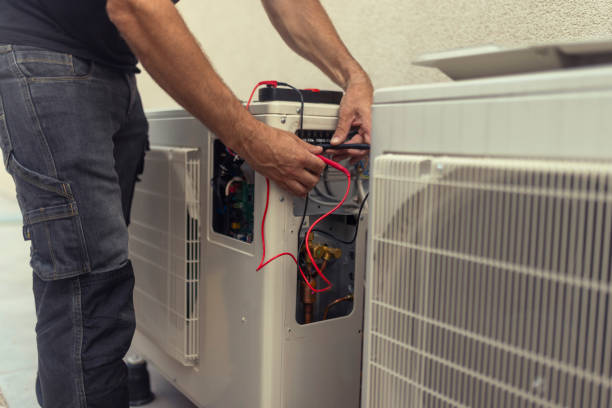
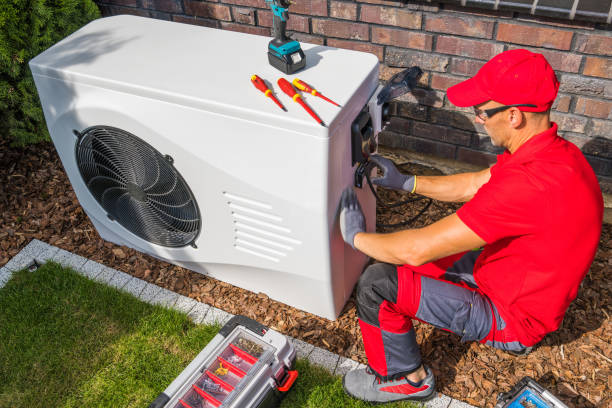
Identifying When to Call an HVAC Company Orlando, FL for Urgent AC Repairs
 Carl Cordova
An air conditioning system plays a crucial role in maintaining a comfortable indoor environment, especially during warmer months. However, like any mechanical system, it can encounter problems over time. Being able to recognize the early warning signs of trouble can help prevent costly repairs and ensure your AC operates efficiently. Below are some key indicators that your air conditioner might require immediate professional attention.
1. Insufficient Cooling Performance
- Low refrigerant levels
- A clogged air filter
- Compressor issues or malfunction
- Dirty condenser or evaporator coils
2. Spike in Energy Bills
A sudden and unexplained rise in energy costs may point to an inefficient air conditioning system. Common culprits include:
– Worn-out components damaging overall performance
– Poor maintenance leading to overworked systems
– Leaks or blockages causing higher energy usage
To address this, schedule a professional inspection and cleaning of the unit.
3. Strange Noises During Operation
| Noise Type | Potential Cause | Suggested Solution |
| Banging | Loose or broken part | Inspect for loose components |
| Squealing | Belt misalignment or motor wear | Replace worn belts; lubricate moving parts |
| Hissing | Refrigerant leak | Repair leak and recharge refrigerant |
| Rattling | Loose fan blades or debris | Clean out debris; secure loose parts |
Ignoring these noises may result in further damage to internal components.
4. Weak Airflow from Vents
- Blocked ductwork hindering proper circulation
- Dirty filters limiting airflow efficiency
- Failing blower motors reducing vent output
Addressing weak airflow promptly ensures better cooling performance while preventing strain on the unit.
5. Unusual Odors Emanating from the System
Foul smells coming from your AC could indicate mold growth within the ducts or burnt electrical wiring within the system’s components. Both scenarios require immediate inspection by a licensed HVAC technician to eliminate potential health risks and ensure safety.
Preventative Measures to Avoid Emergency Repairs
- Schedule routine maintenance checks twice a year (spring and fall)
- Regularly replace air filters (every 1–3 months depending on usage)
- Keep outdoor condenser units free of debris like leaves and dirt
- Monitor humidity levels indoors for optimal comfort
By recognizing these warning signs early on and taking proactive steps, you can extend your HVAC system’s lifespan while ensuring it runs at peak performance during critical times when cooling is most needed.
Tips for Addressing Reduced Airflow with Expert Orlando AC Service
Reduced or weak airflow in an air conditioning system can disrupt comfort and impact energy efficiency. Addressing this issue promptly ensures your system operates effectively, preventing further complications. Below, we explore common causes of weak airflow and effective solutions.
Top Reasons for Reduced Airflow in Orlando AC Repair Services
- Dust, dirt, and debris can accumulate on air filters over time, restricting airflow and reducing system efficiency.
- Blockages caused by debris or collapsed duct sections can hinder the smooth circulation of air.
- Malfunctioning blower motors or worn-out components may result in insufficient air distribution throughout your space.
- Cracks or leaks in duct systems cause significant air loss, reducing overall performance.
- Dusty coils restrict heat exchange, which can negatively affect airflow output.
- An air conditioner that is too small for the space will struggle to adequately circulate air.
Expert Orlando FL Air Conditioning Repair for Better Airflow
- Regular Maintenance:
Scheduling routine maintenance ensures filters are clean, components are functioning optimally, and any potential issues are addressed proactively. - Replace Air Filters:
Check filters every 1-3 months depending on usage and replace them as needed to avoid blockages. - Inspect and Clean Ductwork:
Professional duct cleaning services can remove debris buildup while sealing leaks restores efficiency. - Check Blower Components:
Have an HVAC technician inspect the blower motor to ensure it operates correctly without wear-related problems. - Clean Evaporator Coils:
Periodic cleaning of evaporator coils improves heat transfer efficiency while promoting better airflow quality. - Upgrade Your System If Necessary:
If the current unit cannot handle your space’s cooling demands effectively, consider upgrading to a properly sized AC unit.
| Cause | Solution |
| Clogged Air Filters | Replace filters regularly |
| Obstructed Ductwork | Schedule professional duct cleaning |
| Blower Motor Problems | Inspect components; replace faulty parts |
| Leaky Ducts | Seal cracks or gaps in ductwork |
| Dirty Evaporator Coils | Perform routine coil cleaning |
Preventive Tips for Sustained Airflow
- Keep vents unobstructed by furniture or curtains to allow unimpeded circulation.
- Invest in a programmable thermostat to control indoor temperatures efficiently.
- Monitor humidity levels with dehumidifiers if necessary during humid seasons.
Addressing reduced airflow promptly not only improves comfort but also enhances energy efficiency while prolonging the lifespan of your equipment. Proper care ensures that your AC runs smoothly year-round without unnecessary interruptions.
Addressing Unusual Noises or Vibrations in Your Air Conditioning Equipment
Unusual noises or vibrations from your air conditioning system are often early indicators of underlying issues that require immediate attention. Ignoring these signs could lead to more significant problems, reduced efficiency, and costly repairs. Below, we explore the common causes of these issues and how they can be addressed.
Common Causes of Noises in AC Systems
- Description: Over time, your AC unit’s internal components may loosen due to wear and tear. Screws, bolts, or panels might rattle when the system operates.
- Solution: Tighten any loose screws or fasteners after turning off the power supply. If a component seems damaged, consider replacing it promptly.
- Description: Bent or misaligned fan blades can produce a scraping sound as they make contact with other parts of the unit.
- Solution: Inspect the fan blades for damage and realign them carefully if necessary. If bent beyond repair, replacing the blade is recommended.
- Description: Blocked filters cause strain on various components, which can result in humming or buzzing noises during operation.
- Solution: Regularly clean or replace filters according to manufacturer recommendations (typically every 1-3 months).
- Description: A hissing noise might indicate a refrigerant leak, while gurgling sounds could mean air bubbles have formed inside the refrigerant line.
- Solution: Contact an HVAC professional to inspect the system and handle refrigerant-related problems safely.
- Description: A banging noise may suggest a failing compressor motor; this is typically one of the costlier issues to resolve if neglected.
- Solution: Seek professional advice immediately for diagnosis and potential replacement of the compressor unit.
Common Causes of Vibrations in AC Systems
- An AC unit placed on uneven ground may vibrate excessively during operation.
- Ensure that outdoor units are installed on flat and stable surfaces.
- Bearings within motors degrade over time, causing unusual vibrations.
- Replace worn-out bearings promptly to prevent further damage.
- Leaves or other foreign objects trapped inside outdoor units can create irregular movement.
- Periodically inspect and clear debris from outdoor systems.
Preventative Measures
| Preventative Measure | Frequency | Benefits |
| Regular System Inspections | Biannual | Identifies issues early before escalation |
| Tightening Loose Components | Quarterly | Reduces wear on critical parts |
| Cleaning Fan Blades | Quarterly | Improves airflow efficiency |
| Professional Maintenance Services | Annually | Ensures optimal functioning |
When to Call a Professional
- Persistent noises despite DIY fixes
- Refrigerant leaks requiring specialized handling
- Complex motor or compressor problems
By addressing unusual noises or vibrations promptly, you not only extend the lifespan of your air conditioning equipment but also ensure its continued efficiency throughout its operational life cycle.
How Inconsistent Temperatures or Humidity Issues Impact Your Air Conditioning Performance
Maintaining a consistent and comfortable indoor environment heavily depends on the performance of your air conditioning system. However, issues such as inconsistent temperatures or humidity levels can disrupt this balance, leading to discomfort and potential harm to your AC system’s efficiency. Understanding how these irregularities affect performance and identifying their root causes can help you take proactive measures.
Effects of Inconsistent Temperatures on AC Performance
- Uneven Cooling: Certain areas of the home may feel too cold while others remain warm, often due to poor airflow, faulty thermostats, or incorrectly sized systems.
- Increased Energy Bills: Fluctuations in temperature may cause your AC unit to overwork itself in an attempt to compensate for inefficiencies, driving up energy costs.
- Wear and Tear on Components: Frequent cycling (turning on and off) due to inconsistent cooling demands can place unnecessary strain on critical components like the compressor or fan motor.
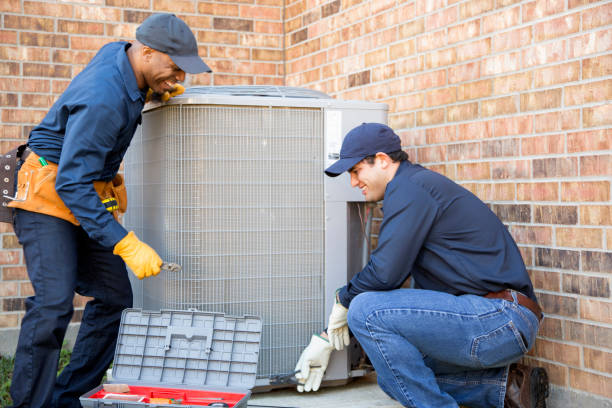
Causes of Temperature Irregularities
- Blocked Vents or Filters: Obstructed air filters or vents reduce airflow, preventing even distribution of conditioned air throughout your home.
- Improper Thermostat Placement: A thermostat placed near heat sources (e.g., direct sunlight) can result in inaccurate temperature readings, causing uneven cooling cycles.
- Aging System Components: Older systems with worn-out parts often struggle to maintain a stable temperature over time.
How Humidity Affects Air Conditioning Performance
- Poor Comfort Levels: High humidity makes indoor spaces feel warmer than they actually are, reducing overall comfort even when the thermostat is set correctly.
- Increased Mold Growth Risk: Excess moisture caused by poor dehumidification capabilities fosters mold growth within ducts and other parts of the system.
- Overworking of AC Components: A system operating in high-humidity conditions needs to work longer to remove moisture from the air, leading to higher energy consumption.
| Issues Related to Humidity | Potential Causes | Remedies |
| High Indoor Humidity | Undersized AC unit | Consider upgrading to a properly sized unit |
| Low Dehumidification | Dirty evaporator coils | Schedule regular maintenance |
| Persistent Moisture | Faulty humidistat or sensors | Inspect and replace faulty components |
Solutions for Stabilizing Temperature & Humidity Issues
- Replace Air Filters Regularly – Clean filters promote better airflow and consistent cooling performance.
- Install a Programmable Thermostat – Smart thermostats ensure precise temperature control throughout different times of day.
- Seal Duct Leaks – Leaks in ductwork contribute significantly to uneven cooling; sealing them improves uniform airflow.
- Inspect System Capacity – Ensure your air conditioning unit is appropriately sized for your home’s square footage.
- Schedule Professional Maintenance – Regular inspections identify inefficiencies early before they escalate into larger problems.
Addressing these factors promptly ensures not only improved comfort but also extends the lifespan of your air conditioning system while keeping energy costs manageable over time.
Identifying and Resolving Peculiar Odors or Poor Indoor Air Quality in AC Systems
Maintaining proper indoor air quality is essential for both comfort and health. When your air conditioning system begins to emit unusual odors or fails to maintain clean, breathable air, it is often an indication of underlying issues that need immediate attention. Below, we’ll explore common causes of peculiar smells and poor air quality in AC systems and how these problems can be addressed effectively.
Common Causes of Peculiar Odors in AC Systems
- Excess moisture within the system can lead to mold or mildew growth in components such as the evaporator coils, ductwork, or drain pan.
- This often results in a musty odor being distributed throughout your home.
- Dirty filters trap dust, pet dander, and other debris that can accumulate over time.
- A clogged filter can cause stale or dusty smells in circulated air.
- Electrical issues such as overheating wires or burnt-out components may emit a burning smell.
- This requires immediate inspection by a professional technician to avoid further damage.
- Small animals may find their way into ductwork or other parts of your HVAC system.
- Decomposing pests can produce foul odors that permeate your living space.
- Certain refrigerants may create a chemical odor when leaking.
- Such leaks not only affect performance but also pose potential health risks.
How Poor Indoor Air Quality Manifests
- Increased allergy symptoms such as sneezing, coughing, or itchy eyes.
- A persistent feeling of stuffiness despite running the AC.
- A noticeable accumulation of dust around vents and surfaces.
Steps to Resolve Odors and Improve Air Quality
- Replace Air Filters Regularly
Replace standard filters every 1-3 months based on usage. For homes with pets or individuals with allergies, consider using HEPA filters for improved filtration performance. - Schedule Routine Maintenance
Arrange annual professional inspections to clean key components like the evaporator coil, condenser coil, and ductwork. This prevents mold buildup and ensures optimal functioning. - Clean Ductwork Periodically
If unpleasant odors persist despite routine maintenance, consider scheduling a duct cleaning service to remove accumulated debris and contaminants from your ventilation system. - Inspect Drainage System
Ensure the condensate drain line isn’t clogged to prevent water accumulation that encourages mold growth. - Use Air Purifiers and Dehumidifiers
Supplement your cooling system with portable air purifiers equipped with activated carbon filters to absorb odors while removing harmful particles from the air. - Address Refrigerant Issues Promptly
Have refrigerant levels checked regularly by certified technicians if you suspect chemical-like smells originating from leaks.
Table: Common Odors & Their Likely Causes
| Odor Type | Possible Cause | Suggested Remedy |
| Musty Smell | Mold/mildew growth | Clean coils; unclog drain lines |
| Burning Smell | Overheating electrical parts | Inspect wiring; replace faulty components |
| Chemical Smell | Refrigerant leak | Consult HVAC technician immediately |
| Decaying Smell | Dead pest in ductwork | Remove pest; clean affected areas |
Proper care of your air conditioning unit not only ensures comfort but also promotes better overall health for household members through clean and fresh indoor airflow. Regular inspection coupled with prompt action at the first sign of unusual odors can prevent more serious issues down the line while maintaining high-quality living standards within your home environment.
- How Often Should You Schedule Orlando AC Service for Optimal Performance
- Identifying When to Call an HVAC Company Orlando, FL for Urgent AC Repairs
- How to Choose the Best Orlando AC Service for Repairs or Replacement
- Top Five Warning Signs You Need Immediate Orlando AC Service
- Ensuring Reliable Cooling Performance with Expert Orlando AC Service
- How Often Should You Schedule Orlando AC Repair for Optimal Performance
- Understanding the Advantages of Orlando AC Repair and Replacement Services