
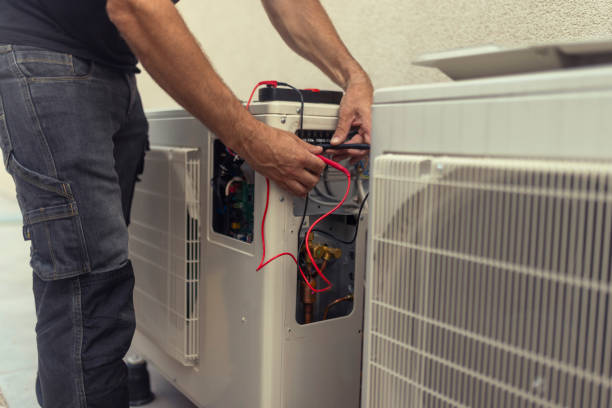
Air conditioning systems are essential for maintaining comfort in your home or office, especially during warmer months. However, like any piece of equipment, AC units can develop issues over time. Knowing when your system needs repair or replacement is critical to avoiding costly breakdowns and ensuring consistent performance. Here’s a guide to help you evaluate the condition of your air conditioning system.
How to Identify When You Need Orlando AC Repair
- Unusual Noises: Grinding, screeching, or banging sounds often indicate internal components like motors or fans are damaged.
- Weak Airflow: Reduced airflow from vents suggests blockages in ducts or failing fans.
- Warm Air instead of Cool: If the system blows warm air while set to cool mode, this can point to refrigerant leaks or compressor issues.
- Frequent Cycling: An AC that turns on and off more often than usual might have an electrical problem or improper thermostat settings.
- High Energy Bills: A sudden increase in utility costs could mean your AC is working harder than necessary due to inefficiency.
When Orlando FL Air Conditioning Repair Isn’t Enough: Signs You Need a Replacement
- Most air conditioners last around 10–15 years with proper maintenance. If your unit is approaching or exceeding this age range and frequently failing, consider upgrading to a modern system with improved efficiency.
- If repairs have become frequent and expensive, replacing the AC entirely may save money in the long run by eliminating recurring issues.
- Older units lack energy-efficient features found in newer models, such as variable speed compressors and smart thermostats designed for better energy management.
- Use this rule of thumb: if the cost of repairs exceeds 50% of what it would cost to purchase a new system, replacement is usually the smarter choice.
Repair vs Replacement: A Quick Comparison Table
| Factor | Repair | Replacement |
| Cost | Lower upfront expense | Higher initial investment |
| Longevity | Temporary fix | Long-term solution |
| Energy Efficiency | Limited improvement | Significant efficiency gains |
| Frequency of Issues | May reoccur | Eliminates recurring problems |
Benefits of Addressing AC Issues Promptly
- Enhanced indoor comfort without unexpected disruptions.
- Lower energy bills due to improved efficiency.
- Reduced environmental impact by upgrading to eco-friendly models.
- Peace of mind knowing your cooling needs are met reliably.
If you’re unsure whether your air conditioning system needs repair or replacement, consult with a trusted HVAC professional for an accurate assessment tailored to your specific situation. Regular inspections can also help you stay ahead of potential problems before they escalate into costly emergencies—ensuring optimal performance year-round.
Top Signs Your Air Conditioning Unit Requires an Immediate Repair Service
Air conditioning systems play a vital role in maintaining comfort, especially during warmer months. However, like any mechanical system, AC units can develop issues over time. Identifying the signs of trouble early can save you from costly repairs or complete system failure. Below are the top signs that your air conditioning unit may require immediate repair service.
1. Weak or Insufficient Airflow
One of the most obvious indicators of a problem is poor airflow coming from the vents. If your AC unit is running but struggling to circulate air effectively, it could signal: – Clogged air filters – Blocked ductwork – A failing blower motor
Inspect and replace the air filter if it’s dirty, but if this doesn’t resolve the issue, professional assistance may be needed to assess deeper problems in the system.
2. Unusual Noises or Vibrations
While AC systems are designed to operate quietly, unusual sounds such as grinding, screeching, rattling, or hissing could indicate internal damage or wear and tear. Common causes for these noises include: – Loose components – Issues with the fan motor – Refrigerant leaks (often producing a hissing sound)
It’s critical to address these unusual noises promptly before they lead to more extensive damage.
3. Warm Air Instead of Cool Air
If your AC unit blows warm air instead of cooling your home, this could point to several issues: – Low refrigerant levels due to leaks
– Compressor failure
– Problems with the thermostat
An expert technician can diagnose whether it’s a minor fix like recharging refrigerant or a more serious mechanical failure requiring repair.
4. Frequent Cycling On and Off
Short cycling occurs when an air conditioner turns on and off frequently without completing its cooling cycle effectively. This issue not only disrupts indoor comfort but also increases energy consumption and wear on system components. Causes for short cycling might include: – A malfunctioning thermostat
– Electrical issues
– An oversized or undersized AC unit
A professional inspection will help pinpoint and address this issue efficiently.
5. High Humidity Levels Indoors
Your air conditioner should regulate indoor humidity levels as part of its normal operation. If you notice excessive humidity despite running your AC, it could mean: – The system isn’t functioning at peak efficiency
– There’s an issue with evaporator coils or drainage mechanisms
Persistent humidity problems can lead to mold growth in your home if left unresolved.
6. Strange Odors Coming from Vents
Unpleasant odors emanating from your vents may indicate microbial growth (such as mold) inside ducts or even burnt wiring within the unit itself. Here’s what different smells often mean:
| Odor | Possible Cause |
|——————-|———————————–|
| Musty Smell | Mold/mildew in ducts |
| Burning Smell | Electrical or wiring issues |
Prompt attention is needed to prevent further complications such as health risks or safety concerns.
7. Rising Energy Bills
Have you noticed an unexplained spike in electricity bills? An inefficient AC system often works harder than necessary to cool your space, consuming more energy in the process. Potential culprits include: – Dirty filters obstructing airflow
– Worn-out parts reducing efficiency
– Refrigerant leaks causing poor performance
Scheduling a maintenance check-up can help restore efficiency and lower operational costs.
When Do You Need Professional Repair Services?
While some basic maintenance tasks like changing filters can be handled by homeowners, many AC issues require specialized knowledge and tools for proper diagnosis and repair. If you’re experiencing one or more of these warning signs without resolution after basic troubleshooting efforts, reach out to a licensed HVAC professional immediately.
Proactively addressing these common symptoms not only extends the lifespan of your cooling system but also ensures consistent performance during critical times when reliable cooling is essential for comfort at home or workspaces.
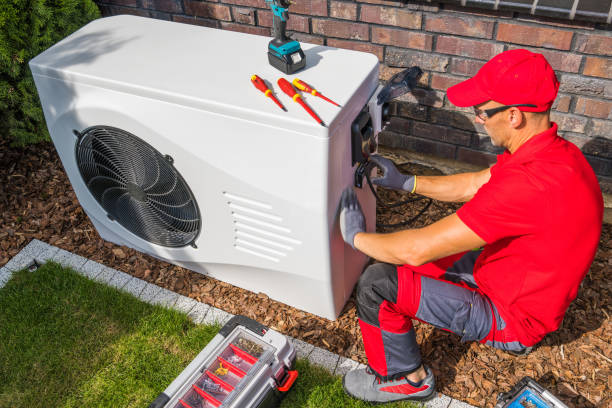
Top Signs Your Air Conditioning Unit Requires an Immediate Repair Service
An air conditioning system is vital for maintaining comfort, especially during warmer months. However, like any appliance, it can experience wear and tear over time. Recognizing the signs that your AC unit needs immediate repair is essential to avoiding costly future issues and ensuring consistent performance.
1. Weak or Inconsistent Airflow
- Poor air circulation: If certain rooms feel cooler while others remain warm, your system may be struggling to distribute air effectively.
- Blocked ducts or vents: A clogged or damaged duct system could be the culprit behind poor airflow.
- Failing blower motor: The blower motor may need repairs if it’s not pushing air through the vents properly.
Prompt attention to airflow problems can prevent additional strain on your unit.
2. Unusual Noises Coming from the System
- Grinding or squealing sounds: These could signal a problem with internal components like belts or motors.
- Buzzing noises: An electrical issue within the system could be causing buzzing sounds.
- Banging noises: These might point to loose or broken parts within the compressor or fan assembly.
Ignoring these sounds can lead to more extensive damage over time.
3. Rising Energy Bills
| Issue | Possible Cause | Suggested Solution |
| Longer cooling cycles | Dirty filters | Replace filters regularly |
| Poor energy efficiency | Aging unit | Consider professional servicing |
| Overworked components | Failing parts | Schedule immediate inspection |
Addressing these problems early ensures energy efficiency and cost savings.
4. Frequent Cycling On and Off
- Thermostat calibration issues
- Refrigerant leaks
- Oversized or undersized units
Short cycling not only reduces cooling efficiency but also places unnecessary stress on the compressor.
5. Moisture Buildup Around the Unit
- A clogged condensate drain leading to water leaks
- Refrigerant leaks causing ice buildup on coils
Both scenarios require immediate inspection, as refrigerant issues can pose health risks, while water damage can harm surrounding areas.
6. Foul Odors from Vents
- Inspect filters and replace them if dirty.
- Check for visible mold near ductwork and schedule professional cleaning.
- Consult an HVAC technician for electrical inspections if burning odors persist.
Why Prompt Repairs Are Crucial
- Complete system breakdowns requiring replacement
- Escalated repair costs due to additional damaged components
- Reduced indoor comfort during extreme weather conditions
Scheduling regular maintenance and promptly addressing repair needs will ensure reliable performance while extending your AC’s lifespan.
Comprehensive Guide to Identifying AC Issues with an HVAC Company Orlando, FL
Proper maintenance and timely identification of air conditioning issues are essential in avoiding costly breakdowns and ensuring consistent indoor comfort. If undetected, minor AC problems can transform into significant malfunctions that require expensive repairs or even a full system replacement. This guide outlines key steps to identify potential issues early, helping you maintain the health of your air conditioning system.
Common Signs of AC Problems
- Reduced Cooling Efficiency: If your indoor space isn’t as cool as it used to be despite running the AC consistently, it could indicate issues with refrigerant levels, dirty coils, or a failing compressor.
- Unusual Noises: Grinding, rattling, or squeaking sounds could point to loose components, worn-out belts, or motor problems within the system.
- Higher Energy Bills: A sudden increase in electricity bills without any change in usage patterns suggests your unit is working harder than necessary due to inefficiency.
- Uneven Cooling: Hot and cold spots throughout your home may result from poor airflow caused by clogged filters, ductwork obstructions, or failing fans.
- Frequent Cycling: When an AC turns on and off too often (short cycling), it may signal thermostat issues or an improperly sized unit for your space.
Steps to Identify Potential Issues
- Inspect Air Filters Regularly
Dirty air filters obstruct airflow, leading to reduced cooling performance and possible system strain. Check filters monthly during heavy use seasons and replace them if they appear clogged. - Monitor Thermostat Settings
Ensure the thermostat is set correctly and functioning accurately. A malfunctioning thermostat could cause inconsistent cooling or frequent cycling. - Examine Vents and Ducts
Check for signs of blockages in vents or ductwork that may restrict airflow. Dust buildup or debris might contribute to uneven cooling throughout your home. - Look Out for Refrigerant Leaks
Low refrigerant levels can compromise cooling capacity. Signs include ice buildup on coils or a noticeable decline in overall cooling performance. - Test System Responsiveness
Run the unit occasionally in mild weather to detect early signs of trouble before peak summer demand begins.
Maintenance Checklist Table
| Task | Frequency | Purpose |
| Replace air filter | Monthly | Prevent clogs; maintain efficiency |
| Check refrigerant levels | Annually | Ensure accurate cooling performance |
| Inspect condenser coils | Bi-annually | Avoid dirt accumulation that hinders efficiency |
| Clean vents | Quarterly | Improve airflow; avoid blockages |
When Professional Help Is Necessary
If regular inspections reveal persistent problems that you cannot resolve (e.g., unusual noises, refrigerant leaks), seek assistance from a licensed HVAC technician immediately. Addressing these concerns quickly with professional expertise can prevent further damage and extend the life of your system.
By staying attentive to these warning signs and conducting regular checks, you can identify potential AC issues before they worsen into costly repairs or replacements while maintaining optimum comfort throughout all seasons.
How to Ensure Reliable AC Performance with Professional Replacement Services
Ensuring your air conditioning system performs reliably is crucial for maintaining comfort, especially during extreme weather conditions. Over time, even the best-maintained systems wear out and require replacement to sustain efficiency and functionality. Professional AC replacement services can provide a long-term solution to recurring issues while improving overall performance. Here’s how professional replacement services can help ensure consistent reliability for your cooling system.
Benefits of Professional AC Replacement Services
- Precision Installation: Certified technicians ensure the new unit is installed correctly, adhering to manufacturer specifications and industry standards.
- Energy Efficiency: Modern AC systems are designed with advanced energy efficiency features. Professionals can recommend models that align with your needs, helping reduce energy consumption.
- Proper Sizing: An incorrectly sized unit may lead to inefficiency or frequent breakdowns. Experts conduct load calculations to determine the right size for your home.
- Improved Indoor Air Quality: Newer systems often include features like advanced filtration, which can enhance indoor air quality.
Key Steps in Professional AC Replacement
- Technicians evaluate the existing system’s condition and identify underlying issues.
- They assess factors like ductwork integrity, insulation quality, and airflow patterns.
- Based on your home size, climate, and preferences, they suggest suitable models.
- They also explain energy ratings (e.g., SEER ratings) to help you make an informed decision.
- The old system is carefully dismantled and disposed of according to environmental regulations.
- The new unit is installed with precision, ensuring proper wiring, duct connections, refrigerant levels, and calibration.
- Technicians test the system’s performance post-installation to confirm reliability.
- Adjustments are made if necessary for optimal cooling efficiency.
Indicators That It’s Time for Professional Replacement
- Rising energy bills despite regular maintenance
- Frequent repairs that exceed 50% of the cost of a new unit
- Uneven cooling throughout your home
- Loud or unusual noises from the system
- Poor humidity control or declining indoor air quality
- An aging unit (10–15+ years old)
Comparison Table: Repair vs Replacement Costs
| Criteria | Repair Costs | Replacement Costs |
| Initial Expense | Lower | Higher |
| Long-Term Savings | Limited | Significant |
| Energy Efficiency | Minimal Improvement | Major Improvement |
| Lifespan Extension | Short-Term | Long-Term |
Maximizing Reliability Post-Replacement
- Schedule annual maintenance checks.
- Replace filters every 1–3 months based on usage.
- Keep vents clear of obstructions.
- Monitor energy bills for unusual spikes as early warning signs.
By combining professional installation with proactive care practices, you can ensure long-lasting reliability from your air conditioning system.
Recognizing When It’s Time for an AC Upgrade or Replacement Service
Knowing when to upgrade or replace your air conditioning system is crucial to maintaining a comfortable home environment and saving on energy costs. While repairs can often resolve minor issues, there are situations in which replacement becomes the more practical and cost-effective solution. Below, we outline key factors and scenarios that indicate it may be time for an AC upgrade or replacement service.
Common Signs Your AC Needs Replacement
- Most air conditioning systems are designed to last between 10–15 years with proper maintenance. If your unit is nearing or has surpassed this range, it may be more cost-effective to replace it rather than invest in frequent repairs.
- Older systems or units operating inefficiently often consume more energy, leading to higher utility costs. A new energy-efficient model can significantly reduce monthly expenses over time.
- If you find yourself calling technicians repeatedly within a short time span, the cumulative cost of repairs could outweigh the price of a new system.
- Uneven temperatures across rooms or difficulty maintaining desired temperatures can signal that your AC unit is no longer performing efficiently.
- Grinding, rattling sounds, or musty odors might indicate failing components, such as a motor issue or mold growth within the system.
- Older units using outdated refrigerants like R-22 (phased out due to environmental concerns) can be difficult and expensive to service compared to newer models that use eco-friendly alternatives.
Benefits of Upgrading Your Air Conditioning System
- Improved Energy Efficiency: Modern systems often feature higher SEER ratings (Seasonal Energy Efficiency Ratio), reducing both energy use and monthly expenses.
- Enhanced Indoor Air Quality: Advanced filtration technology in newer models helps remove allergens, dust, and pollutants from your home.
- Smart Features: Many upgraded units include smart thermostats and mobile app controls for convenient temperature management.
- Eco-Friendliness: Replacing an older unit with one that uses environmentally friendly refrigerants contributes to sustainability efforts.
Factors to Consider Before Replacing Your AC System
| Factor | Why It’s Important | Example Considerations |
| Unit Size & Capacity | Ensures efficient performance without overloading the system | Select a size appropriate for your home’s square footage |
| Energy Efficiency Rating | Determines operational cost savings | Look for ENERGY STAR-certified models |
| Installation Costs | Budget properly for upfront expenses | Compare quotes from multiple providers |
| Warranty Options | Protects against future repair costs | Review comprehensive coverage plans |
Consulting with a trusted HVAC professional can help you assess these elements effectively before making any decisions about replacing your air conditioner.
Professional Installation Matters
- Accurately size the system based on room dimensions.
- Verify compatibility with existing ductwork.
- Test operation post-installation for optimal functionality.
Investing in high-quality installation services reduces potential issues down the road while maximizing the benefits of your new air conditioning unit.
Expert Tips on Choosing the Right AC Service for Long-Lasting Comfort
When it comes to maintaining the comfort of your home, selecting the right air conditioning (AC) service provider is crucial. A reliable service ensures that your system operates efficiently, minimizing energy costs and maximizing its lifespan. Below are expert tips to guide you in choosing the best AC service for long-lasting comfort.
Look for Proper Licensing and Certification
- EPA Certification: Ensures safe handling of refrigerants.
- NATE Certification (North American Technician Excellence): Validates knowledge and expertise in HVAC systems.
- State-Specific Licenses: Verify that the provider complies with local regulations.
Always ask for proof of licensing before hiring a technician to avoid unqualified services that could lead to costly future repairs.
Prioritize Experience and Specialization
- How many years they have been in business.
- Whether they specialize in residential, commercial, or both types of systems.
- Their familiarity with your specific AC brand or model.
Specialized experience ensures technicians can handle both common issues and unique challenges effectively.
Evaluate Reviews and References
- Check platforms like Google Reviews or Yelp for ratings.
- Request references from previous customers.
- Look out for consistent feedback regarding punctuality, professionalism, and problem resolution.
Reliable companies often have a track record of positive feedback from satisfied clients.
Compare Pricing Without Compromising Quality
| Service Element | What to Look For |
| Inspection Fees | Reasonable pricing or waived fees with repairs/replacements. |
| Warranty Offerings | At least 1-year warranty on labor/services provided. |
| Detailed Estimates | Transparent breakdowns of material, labor, and additional charges. |
Avoid vague pricing structures; clarity is key when negotiating any AC maintenance or replacement contract.
Assess Availability and Response Times
- Are emergency repair services available?
- Do they offer same-day appointments?
- Is their customer support prompt in addressing queries?
Timely intervention minimizes downtime while ensuring uninterrupted comfort during extreme weather conditions.
Ask About Maintenance Plans
1) Seasonal tune-ups (spring/fall).
2) Filter replacements at scheduled intervals. 3) Discounts on parts/labor for future services.
These plans not only optimize performance but also save you money over time through improved efficiency.
Trust Transparency in Communication
- Diagnosis findings after inspections.
- Available repair/replacement options tailored specifically based upon needs vs budgets .
- How Often Should You Schedule Orlando AC Service for Optimal Performance
- Identifying When to Call an HVAC Company Orlando, FL for Urgent AC Repairs
- How to Choose the Best Orlando AC Service for Repairs or Replacement
- Top Five Warning Signs You Need Immediate Orlando AC Service
- Ensuring Reliable Cooling Performance with Expert Orlando AC Service
- How Often Should You Schedule Orlando AC Repair for Optimal Performance
- Understanding the Advantages of Orlando AC Repair and Replacement Services